

# The Complete Guide to Route Planning: From GPS Navigation to Emergency Backup Plans
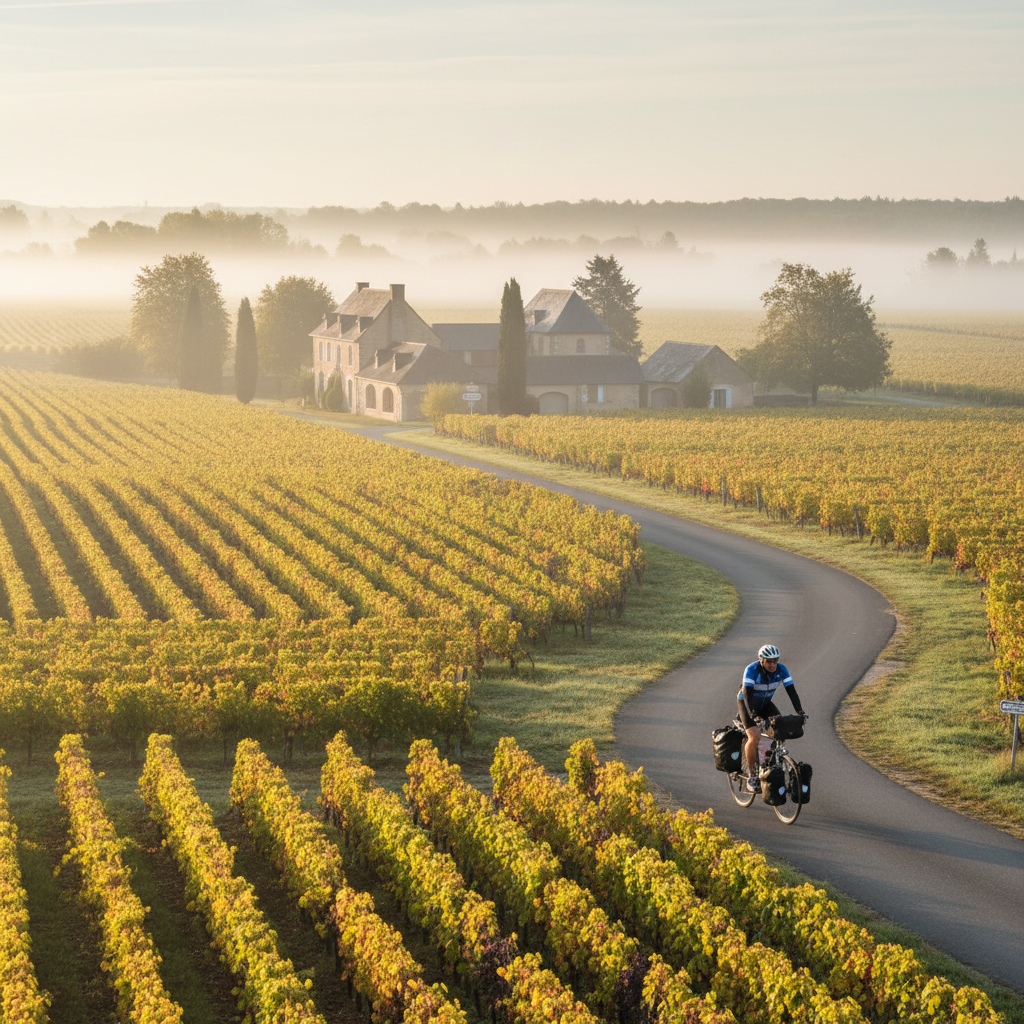
Effective route planning transforms cycling from simple point-to-point transportation into strategic adventures that maximize safety, enjoyment, and discovery while minimizing risks and unexpected challenges. Whether you’re planning a short recreational ride or an extended touring adventure, comprehensive route planning skills ensure successful cycling experiences that meet your objectives while adapting to changing conditions.
## Understanding Route Planning Fundamentals
Route planning combines geographic knowledge, risk assessment, resource management, and goal setting to create cycling experiences that balance adventure with safety and practicality.
**Defining Objectives and Constraints**
Begin route planning by clearly defining your cycling objectives: fitness goals, scenic exploration, social interaction, skill development, or transportation needs. Different objectives require different route characteristics and planning approaches.
Consider constraints that affect route selection: available time, fitness levels, equipment limitations, weather conditions, and safety requirements. Understanding these constraints helps create realistic plans that enhance rather than diminish cycling enjoyment.
**Terrain Analysis and Difficulty Assessment**
Analyze terrain profiles using topographic maps, elevation charts, and gradient information to understand the physical demands of potential routes. Steep climbs, technical descents, and sustained elevation gains significantly affect ride difficulty and time requirements.
Consider surface types and road conditions that impact both safety and enjoyment. Smooth pavement allows faster travel and requires less technical skill, while gravel roads, single-track trails, or mixed surfaces demand different equipment and abilities.

## Technology Tools for Modern Route Planning
Digital technology provides powerful route planning capabilities that combine real-time data, community knowledge, and precise navigation tools to enhance cycling safety and enjoyment.
**GPS Applications and Mapping Services**
Smartphone applications like Strava, Komoot, RideWithGPS, and Google Maps offer comprehensive route planning capabilities with cyclist-specific features including elevation profiles, surface type identification, and traffic volume indicators.
These applications provide community-generated data including popular cycling routes, hazard warnings, and real-time condition updates that help inform route decisions. However, understand application limitations and always carry backup navigation methods for areas with poor cellular coverage.
**Online Planning Platforms and Route Sharing**
Web-based platforms offer advanced route planning features including detailed elevation analysis, turn-by-turn navigation generation, and route optimization for different cycling styles and objectives. Many platforms allow route sharing within cycling communities, providing access to local knowledge and tested route recommendations.
Integration between planning platforms and GPS devices enables seamless transfer of planned routes to navigation systems, ensuring accurate guidance during actual rides while maintaining planning flexibility and detail control.
**Weather Integration and Condition Monitoring**
Modern route planning incorporates real-time and forecast weather data that affects route safety, comfort, and feasibility. Wind patterns, precipitation probability, temperature ranges, and severe weather warnings influence route selection and timing decisions.
Understand how weather conditions affect different route characteristics: headwinds increase effort and time requirements, wet conditions make descents and corners more dangerous, and temperature extremes affect hydration and energy needs.
## Safety Assessment and Risk Management
Comprehensive route planning identifies potential hazards and develops mitigation strategies that reduce risks while maintaining adventure and exploration opportunities.
**Traffic Analysis and Road Selection**
Evaluate traffic volumes, road widths, shoulder availability, and driver behavior patterns for potential routes. Busy highways with narrow shoulders present significant safety risks, while quiet back roads may offer safer cycling despite longer distances.

Research local traffic patterns including rush hour congestion, commercial vehicle routes, and seasonal traffic variations that affect cycling safety. Weekend and holiday traffic patterns often differ significantly from weekday conditions.
**Emergency Access and Communication**
Plan routes with regular access to emergency services, communication capabilities, and population centers that provide assistance if needed. Remote routes require more comprehensive self-sufficiency preparations and emergency communication systems.
Identify hospitals, bike shops, public transportation access, and lodging options along planned routes. This information proves valuable for both emergency situations and normal logistical needs during longer rides.
**Weather Escape Routes and Shelter Options**
Develop contingency plans for severe weather including shortened route options, shelter locations, and alternative transportation arrangements. Understanding when to abandon planned routes ensures safety while reducing anxiety about weather uncertainties.
Research available shelter options including libraries, shopping centers, restaurants, and other public buildings that provide weather protection during storms or extreme conditions.
## Resource Planning and Logistics
Successful cycling adventures require careful planning of food, water, mechanical support, and accommodation needs that match route characteristics and personal requirements.
**Hydration and Nutrition Strategy**
Calculate water and food needs based on ride duration, weather conditions, and personal consumption patterns. Hot weather, high altitude, and strenuous terrain significantly increase hydration and caloric requirements.
Research water refill opportunities including public fountains, convenience stores, restaurants, and emergency sources along planned routes. Carry water purification capabilities for uncertain water sources during remote route sections.
Plan nutrition strategies that provide sustained energy without causing digestive problems during physical exertion. Familiar foods generally work better than experimental nutrition during important rides or challenging conditions.
**Mechanical Support and Repair Resources**
Assess your mechanical repair capabilities and carry appropriate tools and spare parts for common issues including flat tires, broken chains, and minor adjustments. Understanding your skill limitations helps determine necessary backup support.
Research bike shops, repair services, and emergency mechanical assistance along planned routes. This information provides security for complex mechanical issues beyond your repair capabilities while supporting route planning for longer adventures.
**Accommodation and Rest Stop Planning**
Plan rest stops, meal breaks, and overnight accommodations appropriate to your route length and objectives. Strategic rest stops prevent fatigue while providing opportunities for hydration, nutrition, and weather assessment.
For multi-day adventures, research lodging options including hotels, hostels, campgrounds, and alternative accommodations that meet your budget and comfort requirements while supporting your planned route progression.
## Navigation Techniques and Backup Systems
Reliable navigation ensures successful route completion while providing confidence and safety during unfamiliar territory exploration.
**GPS Device Selection and Usage**
Dedicated GPS devices often provide better battery life, weather resistance, and navigation reliability than smartphones, making them valuable for longer rides or challenging conditions. However, smartphones offer more comprehensive mapping data and real-time updates.
Learn GPS device operation including route loading, waypoint navigation, and basic troubleshooting before depending on devices during important rides. Understanding device limitations and backup procedures prevents navigation emergencies.
**Traditional Navigation Skills**
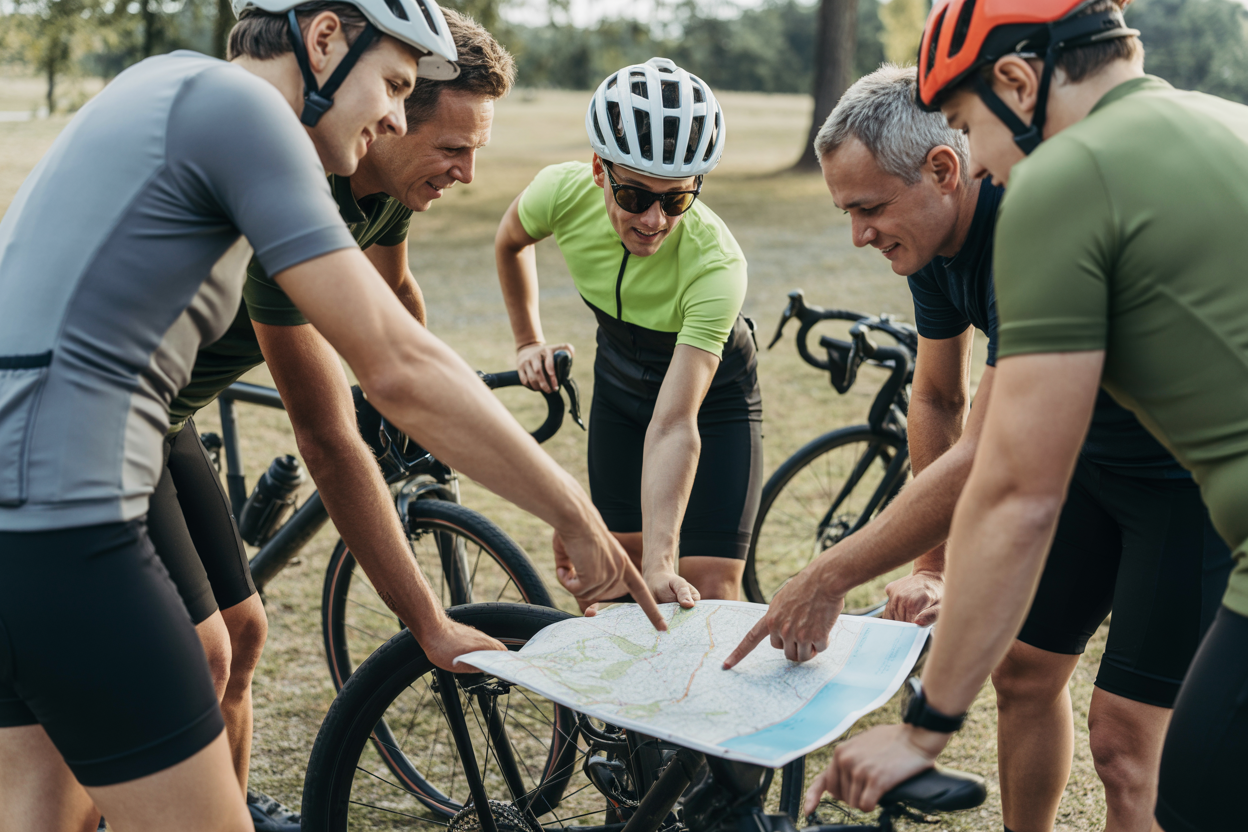
Develop basic map reading and compass navigation skills that function when electronic systems fail or batteries die. Understanding topographic maps, road atlases, and basic navigation principles provides essential backup capabilities.
Practice traditional navigation techniques during familiar routes to build confidence and skill before relying on these methods during unfamiliar territory exploration. These skills prove valuable even when GPS systems function normally.
**Route Communication and Check-In Procedures**
Establish communication protocols with family, friends, or support teams that provide security without restricting adventure freedom. Regular check-ins, route sharing, and emergency contact procedures balance safety with independence.
Consider satellite communication devices for remote area cycling where cellular coverage is unreliable. These devices provide emergency communication capabilities while enabling location sharing for security and coordination purposes.
## Adaptive Planning and Route Modification
Flexibility in route planning allows adaptation to changing conditions, unexpected discoveries, and evolving objectives while maintaining safety and core adventure goals.
**Real-Time Route Adjustments**
Develop skills for modifying planned routes based on weather changes, mechanical issues, fatigue levels, or safety concerns. Understanding how to shorten routes, find alternative paths, or access emergency transportation provides valuable flexibility.
Use technology tools that support real-time route modification including GPS applications with re-routing capabilities and online mapping services accessible through mobile devices. However, maintain backup modification strategies when technology is unavailable.
**Opportunity Recognition and Exploration**
Balance planned objectives with openness to spontaneous discoveries and exploration opportunities. Some of the most memorable cycling experiences result from unplanned detours, local recommendations, or seasonal opportunities encountered during planned routes.
Develop judgment skills for evaluating spontaneous opportunities against safety considerations, time constraints, and energy reserves. Understanding when to explore and when to stick to plans enhances adventure while maintaining responsible decision-making.
## Building Route Planning Expertise
Route planning skills develop through experience, learning from mistakes, and gradually increasing complexity and ambition in cycling adventures.
**Starting Simple and Building Complexity**
Begin with familiar areas and simple route planning techniques, gradually incorporating more sophisticated planning tools and venturing into unfamiliar territory as skills and confidence develop. Early success builds foundation skills for more ambitious adventures.
Document planning decisions and outcomes to learn from both successes and mistakes. Understanding what worked well and what could be improved refines planning skills while building personal knowledge base for future adventures.
**Learning from Community Knowledge**
Engage with local cycling communities, clubs, and online forums that share route knowledge, safety information, and current conditions. Experienced local cyclists provide invaluable insights into route characteristics, seasonal considerations, and hidden gems not apparent through technological research alone.
Share your own route experiences and discoveries with cycling communities, contributing to collective knowledge while building relationships with fellow cyclists who share similar interests and values.
Effective route planning transforms cycling from simple transportation into strategic adventure that maximizes safety, enjoyment, and discovery while building skills and confidence for increasingly ambitious cycling goals. Through comprehensive planning that balances technology with traditional skills, safety with adventure, and structure with flexibility, cyclists can create memorable experiences that align with personal objectives while adapting to real-world conditions and opportunities.
The goal is not perfect prediction and control of every route variable, but rather developing planning skills and decision-making capabilities that enhance cycling safety and enjoyment while maintaining openness to the discoveries and adventures that make cycling such a rewarding and enriching activity.