
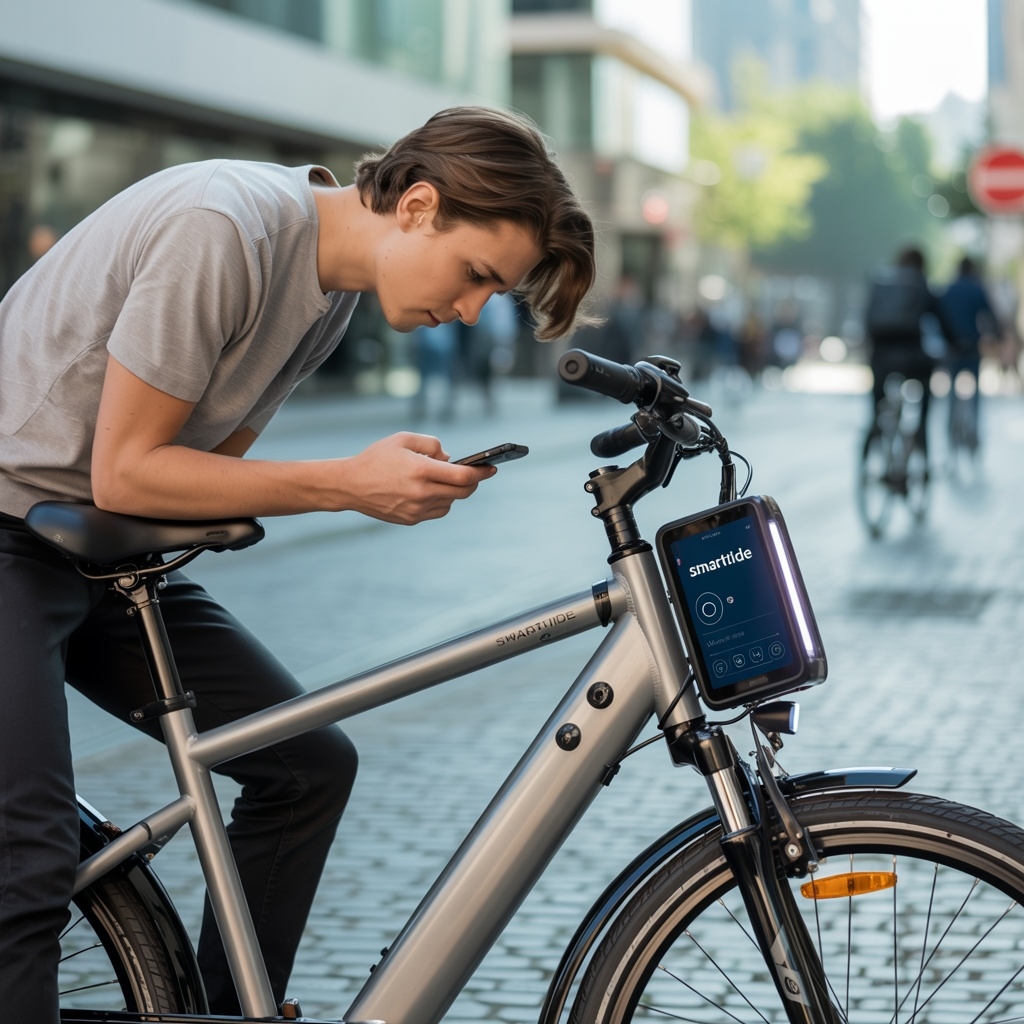

# AI-Powered E-Bikes: How Smart Technology is Revolutionizing Urban Mobility in 2025
The convergence of artificial intelligence and electric bicycle technology in 2025 has created a transportation revolution that extends far beyond simple electric assistance. Smart e-bikes now represent sophisticated mobility platforms that learn from rider behavior, adapt to environmental conditions, and integrate seamlessly with urban infrastructure to create personalized, efficient, and sustainable transportation solutions that are reshaping how we think about urban mobility.
## The Intelligence Revolution in Electric Bicycles
Modern AI-powered e-bikes have evolved from basic motor-assisted bicycles into intelligent transportation systems that continuously analyze rider patterns, environmental conditions, and infrastructure data to optimize performance, safety, and efficiency in real-time.
**Machine Learning and Personalized Performance**
Advanced machine learning algorithms analyze thousands of data points from each ride, including pedaling patterns, terrain preferences, traffic conditions, and physiological responses to create personalized assistance profiles that adapt continuously to individual rider characteristics and evolving fitness levels.
These systems learn optimal power delivery patterns for different scenarios, automatically adjusting assistance based on factors like wind conditions, traffic density, hill grades, and rider fatigue levels. The result is assistance that feels increasingly natural and intuitive while maximizing battery efficiency and ride comfort.
**Predictive Analytics for Enhanced Safety**
AI systems analyze traffic patterns, weather conditions, and historical accident data to provide predictive safety warnings and route recommendations that help riders avoid potentially dangerous situations before they occur. These systems can identify high-risk intersections, predict traffic congestion, and suggest alternative routes in real-time.
Integration with city traffic management systems allows AI-powered e-bikes to receive advance warning of traffic light changes, emergency vehicle movements, and road construction that affects cycling safety and efficiency, creating unprecedented levels of situational awareness for urban cyclists.
**Environmental Adaptation and Optimization**
Smart e-bikes continuously monitor environmental conditions including air quality, temperature, humidity, and precipitation to optimize motor assistance, suggest route modifications, and provide health recommendations that account for current conditions and individual rider sensitivities.
These systems can automatically adjust assistance levels to compensate for headwinds, modify power delivery for wet road conditions, and suggest route alternatives that minimize exposure to air pollution or extreme weather conditions while maintaining transportation efficiency.
## Advanced Battery Management and Energy Intelligence
AI-powered battery management systems in 2025 have revolutionized e-bike energy efficiency through predictive algorithms that optimize charging cycles, predict maintenance needs, and maximize battery lifespan while ensuring reliable performance for daily transportation needs.
**Intelligent Charging Optimization**
Machine learning algorithms analyze rider usage patterns, weather forecasts, and grid energy pricing to optimize charging schedules that minimize electricity costs while ensuring adequate battery capacity for planned trips. These systems can delay charging during peak pricing periods or accelerate charging when renewable energy availability is high.
Smart charging systems also monitor battery health continuously, adjusting charging parameters to maximize lifespan while preventing degradation that reduces capacity or reliability. This intelligent management can extend battery life by 40-60% compared to conventional charging approaches.
**Predictive Range and Route Planning**
AI systems provide highly accurate range predictions based on planned routes, current weather conditions, rider fitness levels, and historical performance data. These predictions account for factors like traffic delays, elevation changes, and seasonal variations that significantly affect actual range performance.
Integration with mapping and navigation systems allows intelligent route planning that considers battery capacity, charging station locations, and rider preferences to suggest optimal routes that balance efficiency, safety, and convenience while ensuring reliable arrival at destinations.
**Energy Recovery and Efficiency Optimization**
Advanced regenerative braking systems use AI to optimize energy recovery based on rider behavior, traffic conditions, and battery state of charge. These systems can recover up to 15-20% of energy during typical urban riding while maintaining natural braking feel and safety.
Smart motor controllers continuously adjust assistance algorithms to maximize efficiency based on real-time conditions, rider input, and destination requirements, often achieving 20-30% improvement in range compared to traditional fixed-assistance systems.
## Biometric Integration and Health Monitoring
2025 AI-powered e-bikes incorporate comprehensive health monitoring that transforms transportation into wellness platforms that support physical fitness, monitor health metrics, and provide personalized recommendations for optimizing both transportation and health outcomes.

**Physiological Monitoring and Adaptation**
Advanced biometric sensors monitor heart rate, breathing patterns, stress levels, and exertion indicators to automatically adjust motor assistance that maintains desired fitness levels while ensuring comfortable transportation experiences. These systems can increase assistance when stress levels are high or reduce assistance to encourage additional exercise when conditions permit.
Integration with wearable devices and health platforms provides comprehensive wellness tracking that considers cycling transportation as part of broader health and fitness goals, creating seamless integration between daily transportation needs and personal wellness objectives.
**Fatigue Detection and Safety Enhancement**
AI systems analyze riding patterns, reaction times, and physiological indicators to detect rider fatigue or impairment that could affect safety. These systems can suggest rest breaks, alternative transportation options, or route modifications that account for reduced rider capabilities while maintaining transportation reliability.
Advanced fatigue detection can identify gradual performance degradation throughout the day and recommend assistance level adjustments or route modifications that ensure safe arrival while minimizing physical stress that could affect subsequent activities or long-term health.
**Personalized Fitness Integration**
Smart e-bikes can integrate with fitness goals and health recommendations to provide appropriate exercise levels during transportation activities. These systems balance transportation efficiency with fitness objectives, adjusting assistance to provide desired workout intensity while ensuring reliable arrival times.
Integration with medical devices and health monitoring systems allows e-bikes to accommodate specific health conditions, medication effects, or recovery requirements while maintaining transportation independence and supporting overall health management strategies.
## Urban Infrastructure Integration and Smart City Connectivity
AI-powered e-bikes in 2025 serve as integral components of smart city infrastructure, communicating with traffic management systems, sharing mobility data, and contributing to urban planning decisions that improve transportation efficiency and sustainability for entire communities.
**Traffic Signal Optimization and Priority**
Smart e-bikes communicate with traffic management systems to optimize signal timing, request priority access when appropriate, and coordinate with other transportation modes to minimize delays and improve traffic flow efficiency for all road users.
These systems can identify optimal timing for intersection approaches, suggest speed adjustments to catch green lights, and coordinate with public transportation systems to facilitate seamless multi-modal transportation experiences that reduce overall travel time and stress.
**Dynamic Route Optimization**
Real-time integration with city traffic data, construction information, and special event schedules allows AI systems to continuously optimize routes based on current conditions rather than static mapping data. These systems can identify and avoid congestion, construction zones, or special events that affect cycling safety or efficiency.
Collaborative routing systems share anonymized data between e-bike users to identify optimal routes, report road conditions, and coordinate to prevent overcrowding of popular cycling infrastructure while discovering and promoting underutilized safe routes.
**Parking and Infrastructure Utilization**
Smart e-bikes can identify available parking spaces, charging stations, and bike-friendly facilities while providing real-time utilization data that helps cities optimize infrastructure placement and maintenance schedules based on actual usage patterns rather than theoretical projections.
Integration with parking systems allows automated payment, reservation capabilities, and utilization tracking that improves convenience for riders while providing valuable data for urban planning and infrastructure development decisions.
## Maintenance Prediction and Service Optimization
AI-powered diagnostic systems continuously monitor component performance, predict maintenance needs, and optimize service schedules to minimize unexpected failures while reducing maintenance costs and maximizing e-bike availability for daily transportation needs.
**Predictive Component Analysis**
Machine learning algorithms analyze performance data from motors, batteries, brakes, and other critical components to predict wear patterns, identify developing issues, and schedule maintenance before failures occur. These systems can identify subtle performance changes that indicate impending problems days or weeks before traditional diagnostic methods.
Predictive maintenance reduces unexpected breakdowns by up to 80% while optimizing service intervals based on actual usage patterns rather than arbitrary time periods, reducing maintenance costs while improving reliability for transportation-dependent users.
**Automated Service Scheduling and Management**
AI systems can automatically schedule maintenance appointments, order necessary parts, and coordinate service timing that minimizes transportation disruption while ensuring optimal performance and safety. These systems integrate with service provider schedules and parts availability to optimize service efficiency.
Remote diagnostic capabilities allow many issues to be identified and resolved without physical inspection, while automated service reminders ensure that routine maintenance occurs on schedule to prevent more serious problems that could compromise safety or reliability.
**Performance Optimization and Customization**
Continuous performance monitoring allows AI systems to optimize individual bike settings for maximum efficiency, comfort, and safety based on actual usage patterns and rider preferences. These optimizations can improve battery life, reduce wear on components, and enhance overall riding experience.
Automated software updates and parameter adjustments ensure that e-bikes continue to improve performance over time, incorporating lessons learned from entire fleets while adapting to individual rider characteristics and evolving transportation patterns.
## Privacy, Security, and Data Management
The sophisticated data collection and analysis capabilities of AI-powered e-bikes raise important considerations about privacy protection, data security, and user control that require careful balance between functionality benefits and personal privacy protection.
**Data Privacy and User Control**
Advanced privacy protection systems allow users to control what data is collected, how it’s used, and with whom it’s shared while maintaining the functionality benefits of AI optimization. These systems provide granular control over different types of data sharing while clearly explaining the benefits and trade-offs of different privacy settings.
Anonymization and encryption technologies protect personal data while allowing aggregate analysis that benefits entire user communities through improved infrastructure planning, safety enhancements, and system optimizations that don’t compromise individual privacy.
**Security and Anti-Theft Protection**
AI-powered security systems provide comprehensive protection against theft through GPS tracking, motion detection, unauthorized use prevention, and integration with law enforcement recovery systems. These systems can detect unusual usage patterns and automatically implement security measures without user intervention.
Advanced authentication systems use biometric identification, smartphone integration, and behavioral analysis to prevent unauthorized use while maintaining convenient access for legitimate users. These systems adapt to user behavior patterns to reduce false security alerts while maintaining effective protection.
The integration of artificial intelligence with electric bicycle technology in 2025 represents a fundamental transformation of urban transportation that extends far beyond simple electric assistance to create intelligent mobility platforms that adapt to individual needs, integrate with urban infrastructure, and contribute to sustainable transportation solutions.
These developments demonstrate how thoughtful technology integration can enhance rather than complicate transportation experiences while addressing urban mobility challenges through personalized, efficient, and sustainable solutions that benefit both individual users and broader community transportation goals. The future of urban mobility is intelligent, adaptive, and increasingly integrated with the broader smart city infrastructure that supports sustainable urban development.