
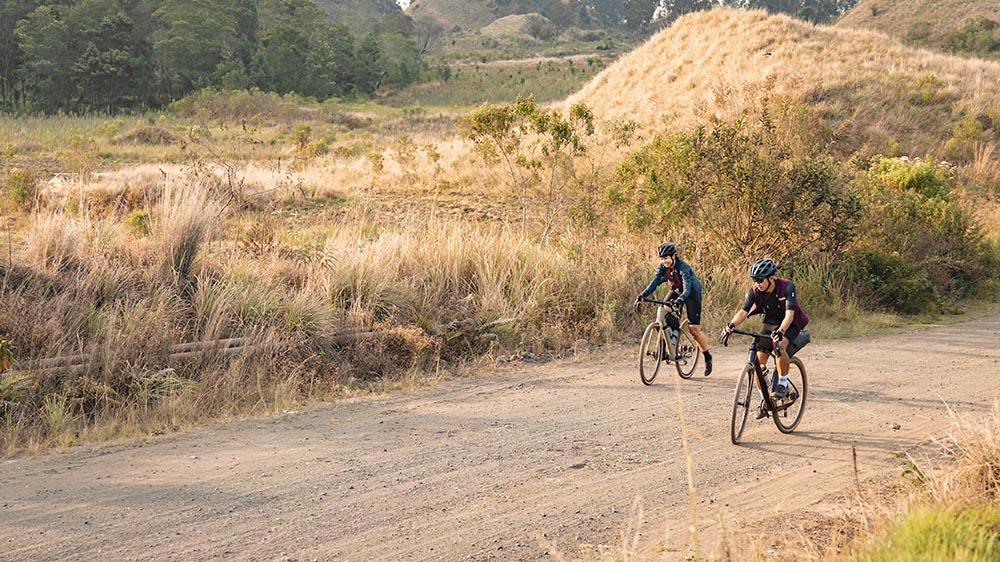

# The Gravel Bike Revolution: Why 2024 is the Golden Age of Off-Road Cycling
Gravel biking has exploded into mainstream cycling consciousness in 2024, transforming from a niche pursuit into one of the fastest-growing segments of the cycling industry. This revolution represents more than just a new bike category—it embodies a fundamental shift in how cyclists approach adventure, exploration, and the relationship between road and trail riding. Understanding this phenomenon reveals important trends about modern cycling culture, technological innovation, and our evolving relationship with outdoor recreation.
## The Perfect Storm: Factors Driving Gravel’s Explosive Growth
Multiple converging factors have created ideal conditions for gravel biking’s meteoric rise, from technological advances to cultural shifts that prioritize adventure and exploration over traditional competitive cycling approaches.
**Technological Convergence and Innovation**
Modern gravel bikes represent the culmination of decades of technological development across multiple cycling disciplines. Disc brakes provide reliable stopping power in varied conditions, while tubeless tire systems reduce puncture risks and allow lower pressures for improved comfort and traction on mixed surfaces.
Electronic shifting systems have become more affordable and reliable, providing precise gear changes even in dusty, muddy conditions that challenge traditional mechanical systems. Carbon fiber manufacturing advances have created lighter, more comfortable frames that can handle the vibrations and stresses of extended off-road riding without sacrificing durability.
**Post-Pandemic Outdoor Recreation Boom**
The COVID-19 pandemic fundamentally changed outdoor recreation patterns, with millions discovering cycling as a safe, socially distanced activity that provided exercise, mental health benefits, and adventure close to home. Gravel biking perfectly captured this zeitgeist by offering exploration opportunities on quiet back roads and trails away from crowded urban areas.
The pandemic also shifted work patterns toward remote and hybrid arrangements, giving people more flexibility to explore local areas during weekdays when trails and back roads are less crowded. This timing advantage has become a significant factor in gravel biking’s appeal for working professionals seeking midweek adventure opportunities.
**Escape from Traffic and Crowded Infrastructure**
Urban cycling infrastructure, while improving in many areas, remains stressful and potentially dangerous for many riders. Gravel biking offers an appealing alternative that avoids traffic concerns while providing access to scenic, peaceful routes that restore the joy and freedom many cyclists remember from childhood riding experiences.
The ability to start rides from suburban or rural areas and immediately access quiet gravel roads, forest paths, and farm tracks appeals to cyclists who want adventure without the logistics of traveling to trailheads or dealing with urban traffic to reach enjoyable cycling terrain.

## Technological Innovations Defining Modern Gravel Bikes
The rapid evolution of gravel bike technology in 2024 has created machines that blur traditional boundaries between road bikes, cyclocross bikes, and mountain bikes while establishing their own distinct identity and capabilities.
**Frame Geometry Evolution**
Modern gravel bike geometry has evolved beyond simply lengthening chainstays and slackening head angles from road bike designs. Contemporary gravel frames feature carefully calibrated geometry that balances stability on loose surfaces with efficiency on pavement, creating bikes that excel across varied terrain without compromising performance in any single environment.
Stack and reach measurements have been optimized for comfort during long adventure rides while maintaining aerodynamic efficiency for road sections. Bottom bracket height provides clearance for rough terrain while keeping the center of gravity low enough for confident handling on fast descents.
**Tire Clearance and Versatility**
Tire clearance has become a defining characteristic of modern gravel bikes, with many models accommodating tires ranging from 28mm road tires to 50mm+ knobby options. This versatility allows riders to optimize their setup for specific conditions or seasonal changes without requiring multiple bikes.
Advanced tire technology has created options specifically designed for gravel conditions, featuring tread patterns that provide traction on loose surfaces while rolling efficiently on pavement. Tubeless compatibility has become standard, allowing lower pressures for comfort and traction while reducing puncture risks.
**Drivetrain Adaptations**
Gravel-specific drivetrains have evolved to provide wider gear ranges suitable for varied terrain, from steep gravel climbs to fast road sections. Wide-range cassettes paired with compact or sub-compact chainrings create gear ratios that allow spinning up steep grades while maintaining efficiency at higher speeds.
Single-chainring setups have gained popularity for their simplicity and reliability, particularly for riders who prioritize adventure over racing performance. These systems reduce mechanical complexity while providing adequate gear range for most gravel riding applications.
## The Cultural Impact of Gravel Cycling

Gravel biking has created its own distinct culture that emphasizes exploration, inclusivity, and adventure over traditional competitive cycling values, attracting diverse participants who might not identify with road racing or mountain biking communities.
**Adventure Over Competition**
While gravel racing exists and continues growing, the predominant gravel culture emphasizes personal adventure, exploration, and discovery over competitive achievement. This philosophical approach attracts cyclists who want challenging, rewarding experiences without the pressure and intensity of traditional racing environments.
Gravel events often feature multiple distance options, generous time limits, and celebratory rather than competitive atmospheres that welcome riders of various abilities and experience levels. This inclusivity has opened cycling to demographics that felt excluded from traditional cycling cultures.
**Social Media and Community Building**
The photogenic nature of gravel biking—scenic routes, interesting equipment, and adventure narratives—has made it particularly well-suited to social media sharing and community building. Instagram, YouTube, and other platforms have created global communities that share route recommendations, equipment advice, and inspirational content.
This digital community aspect has accelerated gravel biking’s growth by making it easy for newcomers to find information, connect with local riders, and discover riding opportunities in their areas. The aspirational lifestyle aspects of gravel biking appeal to broader audiences beyond traditional cycling enthusiasts.
**Equipment Culture and Personalization**
Gravel biking has fostered a culture of equipment experimentation and personalization that encourages riders to optimize their setups for specific preferences, local conditions, and adventure goals. This culture embraces both high-tech solutions and creative adaptations rather than rigid adherence to traditional equipment choices.
The relative newness of gravel as a cycling discipline means fewer established conventions and more openness to innovation, creating opportunities for smaller companies and creative solutions to gain recognition alongside traditional cycling industry leaders.

## Economic Impact and Industry Transformation
The gravel bike boom has created significant economic impacts across the cycling industry, from manufacturing and retail to tourism and event management, while establishing new market segments and business opportunities.
**Manufacturing and Retail Revolution**
Gravel bikes have become the fastest-growing segment of the bicycle market, with major manufacturers investing heavily in research, development, and marketing for gravel-specific products. This growth has supported innovation across the industry while creating new product categories and market opportunities.
Retail bike shops report that gravel bikes often serve as gateway purchases for customers new to cycling or returning after long absences, creating opportunities for long-term customer relationships and additional accessory sales. The adventure-oriented marketing appeals to broader demographics than traditional cycling products.
**Tourism and Destination Development**
Gravel cycling has created new tourism opportunities for rural areas that offer extensive gravel road networks, scenic countryside, and authentic local experiences. These destinations often benefit from cyclists who stay longer, spend more locally, and support small businesses compared to traditional tourism patterns.
Event tourism around gravel races and festivals has become significant economic drivers for host communities, bringing visitors who appreciate rural landscapes, local businesses, and community hospitality while generating economic activity during traditionally slower tourism periods.
**Component and Accessory Innovation**
The specific demands of gravel riding have spurred innovation in components, accessories, and specialized equipment that addresses the unique challenges of mixed-terrain cycling. This innovation benefits broader cycling applications while creating new market segments and business opportunities.
Bikepacking gear, navigation equipment, and gravel-specific components have become significant market categories that support specialized manufacturers and retailers while advancing cycling technology across disciplines.
## Health and Wellness Benefits of Gravel Cycling
Gravel biking offers distinct health and wellness advantages that appeal to riders seeking fitness benefits, mental health improvements, and sustainable exercise habits that integrate naturally with busy lifestyles.
**Physical Fitness and Low-Impact Exercise**
Gravel cycling provides excellent cardiovascular exercise with lower impact stress than running while offering strength building through varied terrain challenges. The ability to adjust intensity by choosing different routes and surfaces allows riders to optimize workouts for specific fitness goals and physical limitations.
The varied terrain and surface conditions of gravel riding engage core muscles, improve balance, and develop bike handling skills that benefit overall cycling proficiency while providing more comprehensive fitness benefits than steady-state road cycling.
**Mental Health and Stress Relief**
The combination of physical exercise, natural environment exposure, and adventure elements provides powerful mental health benefits including stress reduction, improved mood, and enhanced overall well-being. The focus required for navigating varied terrain creates meditative states that help quiet mental chatter and promote mindfulness.
The achievement aspects of completing challenging gravel routes or exploring new areas provide sense of accomplishment and personal growth that support positive mental health while building confidence and resilience.
**Social Connection and Community**
Gravel cycling’s inclusive culture creates opportunities for social connection and community building that support mental health and provide motivation for continued participation. Group rides, events, and online communities offer social support while sharing knowledge and inspiration.
The shared adventure aspects of gravel cycling create strong bonds between participants while providing natural conversation topics and mutual interests that support friendship development and community engagement.
## Environmental Considerations and Sustainability
Gravel cycling’s relationship with environmental sustainability involves both positive aspects like low-impact recreation and potential concerns about trail access and environmental protection that require thoughtful consideration and responsible practices.
**Low-Impact Recreation Benefits**
Bicycle-based recreation generally has lower environmental impact than motorized alternatives while providing access to natural areas that support environmental appreciation and conservation awareness. Gravel cycling’s emphasis on existing roads and established trails minimizes new infrastructure development while supporting rural economies.
The local nature of much gravel cycling reduces transportation-related environmental impacts while encouraging exploration of nearby areas rather than long-distance travel to recreational destinations. This pattern supports sustainable recreation models that benefit both participants and local environments.
**Trail Access and Stewardship Responsibilities**
Growing popularity of gravel cycling raises important questions about trail access, environmental protection, and user responsibility that require ongoing attention and proactive management. Understanding and respecting land use regulations, private property rights, and environmental protection measures ensures continued access while protecting natural resources.
Participating in trail maintenance, supporting conservation organizations, and practicing Leave No Trace principles helps ensure that gravel cycling remains welcome in natural areas while contributing to environmental protection and stewardship efforts.
## The Future of Gravel Cycling
As 2024 demonstrates gravel cycling’s mainstream acceptance and continued growth, several trends suggest how this discipline might evolve while maintaining its core appeal and distinctive culture.
**Technology Integration and Evolution**
Continued technological development will likely focus on improving comfort, reliability, and versatility while maintaining the adventure-oriented character that defines gravel cycling. Electronic integration, advanced materials, and smart features will enhance capability without compromising the simplicity and reliability that appeals to gravel cyclists.
**Infrastructure Development and Route Recognition**
Growing recognition of gravel cycling’s economic and recreational value will likely lead to improved infrastructure, better mapping resources, and official recognition of gravel routes that support both recreational users and local tourism development.
**Cultural Maturation and Inclusivity**
As gravel cycling culture matures, continued emphasis on inclusivity, accessibility, and environmental responsibility will help ensure that growth benefits diverse participants while protecting the natural and cultural resources that make gravel cycling appealing and sustainable.
The gravel bike revolution of 2024 represents more than a cycling trend—it embodies broader cultural shifts toward adventure, exploration, and authentic outdoor experiences that prioritize personal fulfillment over traditional performance metrics. This movement has created new opportunities for cycling participation while challenging industry assumptions and expanding the definition of what cycling can be and who can participate in cycling culture.
Understanding gravel cycling’s rapid growth provides insights into contemporary values around recreation, technology, community, and environmental interaction that extend far beyond cycling into broader questions about how we want to engage with natural environments and each other in an increasingly complex world.