
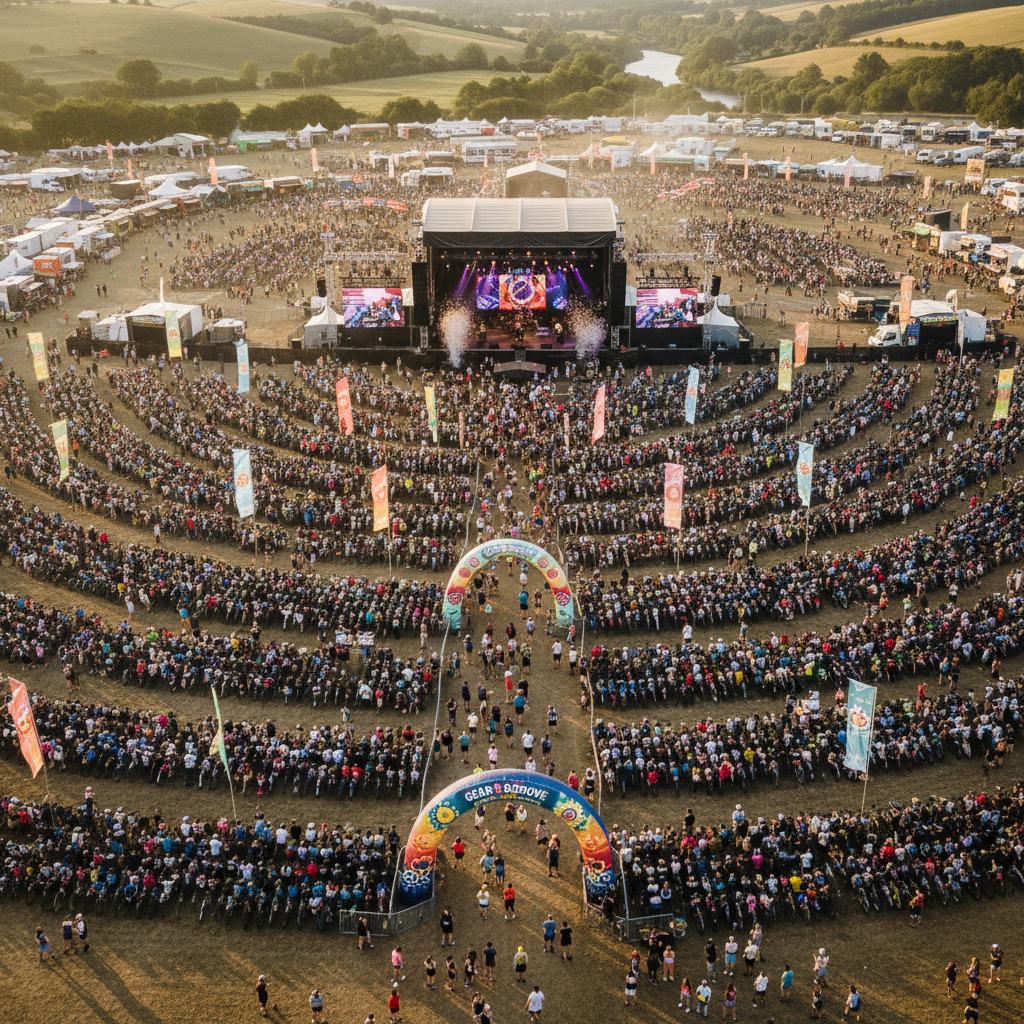

# Family Cycling Adventures: Creating Memorable Rides for All Ages and Skill Levels
Family cycling adventures provide unique opportunities to bond, explore, and create lasting memories while promoting healthy, active lifestyles for all family members. Successfully planning and executing cycling adventures that satisfy children, teenagers, and adults requires thoughtful consideration of different skill levels, interests, and physical capabilities. This comprehensive guide offers strategies for creating inclusive, enjoyable cycling experiences that build positive associations with outdoor recreation and family time.
## Understanding Family Dynamics in Cycling
Every family member brings different strengths, challenges, and expectations to cycling adventures, requiring flexible approaches that accommodate diverse needs while maintaining group cohesion and enjoyment.
**Assessing Individual Capabilities and Interests**
Begin family cycling planning by honestly evaluating each member’s current cycling skills, fitness levels, and personal interests. Children’s abilities vary significantly based on age, experience, and individual development, while adults may have different comfort levels with distance, terrain, or technical challenges.
Consider non-cycling factors that affect family adventures: attention spans, social needs, learning styles, and personal preferences for structured versus spontaneous activities. Some family members thrive on detailed planning and clear objectives, while others prefer flexible, exploratory approaches to outdoor adventures.
**Balancing Challenge and Accessibility**
Successful family rides provide appropriate challenges for stronger, more experienced cyclists while remaining accessible and enjoyable for beginners or less confident family members. This balance requires creative route planning, equipment considerations, and activity structuring that keeps everyone engaged.
Use strategies like parallel route options where stronger cyclists can take longer or more challenging paths while others follow easier alternatives, meeting at predetermined points. Tag-along bikes, trailer attachments, or electric assist options can help level playing fields when skill or fitness differences are significant.

## Age-Specific Planning Strategies
Different age groups require distinct approaches to cycling adventure planning, from toddlers experiencing their first bike rides to teenagers seeking independence and excitement.
**Early Childhood (Ages 3-6): Building Foundations**
Young children experience cycling primarily through exploration, sensory experiences, and play-based activities. Short distances with frequent stops for investigation, snacks, and non-cycling play activities work best for this age group. Focus on positive associations with bicycles and outdoor exploration rather than distance or skill achievements.
Safety equipment becomes adventure gear when presented positively – helmets become “explorer hats,” reflective clothing becomes “safety superhero costumes,” and following cycling rules becomes mastering “secret adventure codes.” Make safety practices fun and engaging rather than restrictive or fear-based.
**School Age (Ages 7-12): Skill Development and Discovery**
School-age children can participate more actively in planning and executing cycling adventures while developing fundamental cycling skills and outdoor confidence. This age group often shows enthusiasm for learning, challenge-seeking, and contributing to family activities.
Educational integration enhances cycling experiences for school-age children. Identify local wildlife, discuss historical landmarks, practice map reading skills, or conduct simple scientific observations during rides. Photography assignments, nature journals, or themed scavenger hunts add structure and learning opportunities to cycling adventures.
**Teenagers (Ages 13+): Independence and Social Connection**
Teenage family cycling requires balancing their developmental need for independence with family bonding objectives. Include teenagers in significant planning decisions, consider allowing friends to join occasionally, and provide appropriate leadership responsibilities during family rides.
Technology integration can increase teenage engagement – GPS navigation, fitness tracking, social media documentation, or music sharing (through appropriate safety equipment) may enhance their cycling experience. However, balance screen time with nature appreciation and family interaction.
## Equipment and Safety Considerations for Mixed Ages
Multi-generational cycling requires equipment solutions that accommodate different sizes, skill levels, and safety needs while maintaining group mobility and communication capabilities.
**Bike Selection and Modifications**
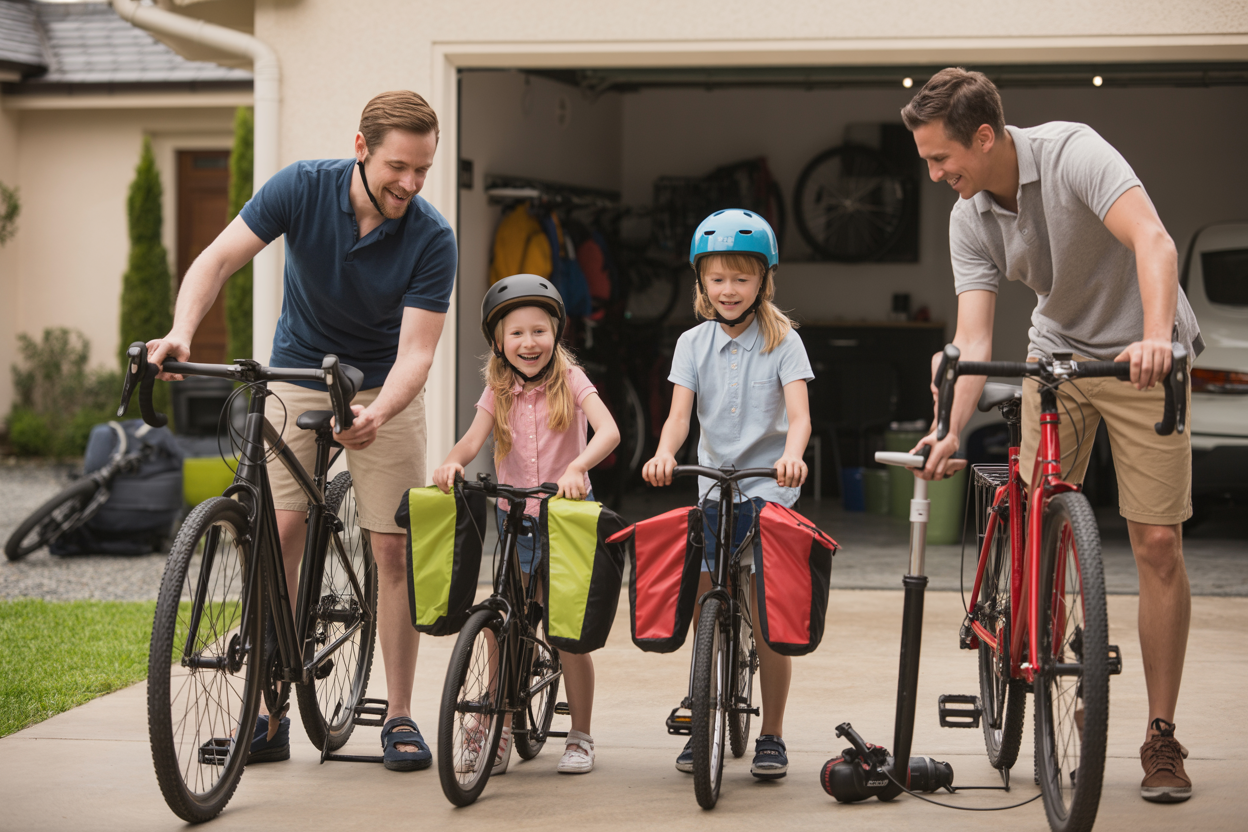
Ensure each family member has an appropriately sized, well-maintained bicycle suitable for planned adventures. Children’s bikes should allow comfortable ground contact when seated, while adults need proper fit for efficiency and comfort during longer rides.

Consider equipment that facilitates family cycling: trailers for very young children, tag-along bikes for developing riders, or electric assist options for fitness-challenged family members. These solutions can extend family cycling possibilities while maintaining safety and enjoyment for all participants.
**Safety Equipment and Communication Systems**
Comprehensive safety equipment includes properly fitted helmets for all riders, visibility enhancements like bright clothing and lights, and emergency supplies appropriate to ride length and remoteness. Establish clear communication signals and procedures for different riding situations.
Emergency preparedness should match the remoteness and duration of planned rides. Basic first aid supplies, emergency contact information, and communication devices (cell phones or emergency whistles) provide security without creating anxiety. Teach age-appropriate emergency procedures to all family members.
## Route Planning for Diverse Skill Levels
Successful family cycling routes accommodate different abilities while providing engaging experiences that motivate all participants to complete the adventure successfully.
**Multi-Option Route Design**
Design routes with multiple distance and difficulty options that allow family members to choose appropriate challenges while maintaining group cohesion. Loop routes with optional extensions, linear routes with multiple turnaround points, or interconnected trail systems provide flexibility for different abilities.
Research routes thoroughly using online resources, local cycling organizations, and trail condition reports. Understanding surface types, elevation profiles, traffic patterns, and amenity locations helps create realistic expectations and appropriate preparations for family adventures.
**Rest Stop Strategy and Activity Integration**
Strategic rest stops prevent fatigue while providing opportunities for play, education, and family bonding. Plan stops at playgrounds, scenic overlooks, historical markers, or other interesting features that give family members reasons to look forward to continuing the ride.
Rest stop activities should appeal to different ages and interests: playground time for young children, photography opportunities for teenagers, historical discussions for adults, or snack breaks for everyone. These stops serve multiple purposes beyond physical rest, enhancing the overall adventure experience.
## Managing Challenges and Problem-Solving
Family cycling adventures inevitably encounter challenges ranging from mechanical issues to weather changes to interpersonal conflicts. Preparation and positive problem-solving approaches transform potential difficulties into learning opportunities and adventure elements.
**Weather Adaptations and Flexibility**
Develop contingency plans for various weather conditions, teaching family members that outdoor adventures require adaptability and resilience. Light rain can become an exciting “adventure challenge,” while extreme weather provides opportunities to practice indoor alternatives or modified activities.
Appropriate gear for weather variations includes rain protection, sun protection, and layering systems that allow adaptation to changing conditions. However, prioritize safety and comfort over adventure goals when conditions become genuinely challenging or dangerous.
**Mechanical Problem-Solving as Family Learning**
Frame mechanical issues as problem-solving opportunities rather than ride-ending disasters. Basic bike maintenance knowledge, carried tools, and positive attitudes toward unexpected challenges help families handle common issues while building valuable life skills.
Involve age-appropriate family members in mechanical problem-solving: older children can help with tire repairs, teenagers can learn basic bike maintenance, and adults can model positive attitudes toward overcoming obstacles. These experiences build confidence and resilience that extend beyond cycling activities.
## Building Long-Term Family Cycling Traditions
The goal of family cycling adventures extends beyond immediate enjoyment to building lasting positive associations with outdoor recreation, physical activity, and family bonding that persist throughout children’s development into adulthood.
**Creating Annual Traditions and Milestone Celebrations**
Establish special cycling traditions around birthdays, holidays, seasonal changes, or family milestones. Annual rides to favorite destinations, progressive challenges where distances or difficulties increase each year, or camping trips that incorporate cycling create anticipation and lasting memories.
Document these special adventures through photos, journals, or videos that become family treasures over time. Children enjoy seeing their progress and remembering special experiences, while documentation helps preserve memories and share stories with extended family or friends.
**Connecting Cycling to Broader Family Values**
Use cycling adventures to reinforce important family values like environmental stewardship, physical health, perseverance, and appreciation for natural beauty. Discuss how cycling reduces environmental impact, promotes fitness, provides opportunities to overcome challenges, and facilitates intimate connection with natural environments.
Frame cycling as part of a broader lifestyle that values health, environmental responsibility, and quality family time. When children understand cycling within this larger context, they’re more likely to maintain cycling participation and pass these values to future generations.
## Progressive Skill Development and Independence Building
As family members develop cycling skills and confidence, gradually increase independence levels and challenge complexity while maintaining safety priorities and family bonding objectives.
**Natural Learning Progression**
Allow cycling skills to develop naturally within the context of enjoyable family adventures rather than formal training sessions. Hills provide opportunities to practice climbing techniques, intersections offer traffic awareness development, and varied terrain builds bike handling skills organically.
Celebrate skill improvements and breakthrough moments enthusiastically. A child’s first successful hill climb, mastering gear shifting, or completing a challenging section deserves recognition and celebration. These positive reinforcements motivate continued development and build cycling confidence.
**Encouraging Appropriate Independence**
Gradually increase independence levels as children demonstrate maturity and skill development. This progression might move from riding directly beside parents to riding slightly ahead within sight, from following predetermined routes to helping choose route options, or from complete dependence on adults for problem-solving to handling simple issues independently.
Independence building should match individual personality types, risk tolerance, and maturity levels. Some children naturally seek adventure and independence, while others prefer security and close supervision. Respect these differences while providing appropriate growth opportunities for each family member.
Family cycling adventures offer unparalleled opportunities to build strong family relationships, establish healthy lifestyle foundations, and create magical memories that last lifetimes. Through thoughtful planning that considers individual needs, positive attitudes toward challenges, and focus on enjoyment over achievement, families can discover the unique joy of exploring the world together on bicycles while building traditions and bonds that strengthen over time.
The most successful family cycling adventures prioritize inclusion, flexibility, and fun over distance achievements or technical accomplishments. When every family member feels valued, challenged appropriately, and excited about future rides together, cycling becomes a powerful tool for family bonding and healthy living that benefits everyone involved.