

# Family Cycling Adventures: Creating Magical Memories on Two Wheels
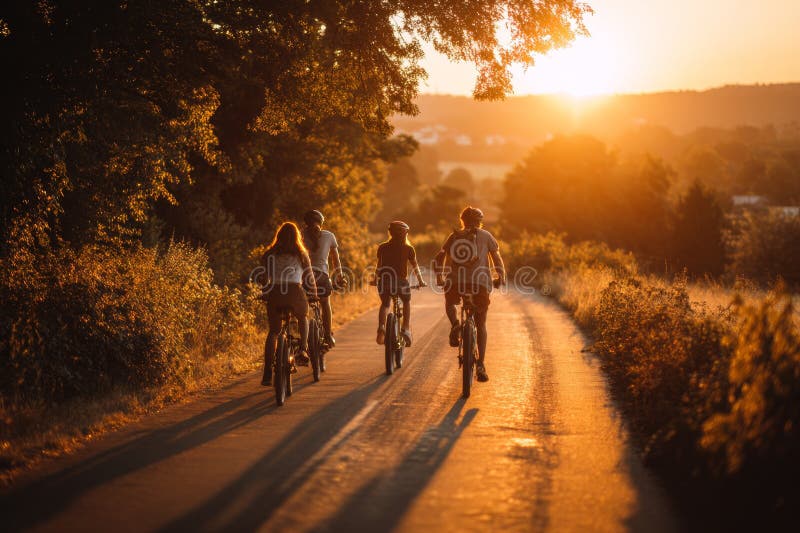
Family cycling adventures offer unique opportunities to bond, explore, and create lasting memories while establishing healthy lifestyle foundations that benefit everyone for years to come. Whether you’re planning your first family bike ride or looking to enhance existing cycling traditions, this comprehensive guide provides strategies, tips, and inspiration for magical cycling experiences that bring families closer together.
## The Foundation of Memorable Family Cycling
Creating magical family cycling memories begins with understanding that the journey matters more than the destination, and that flexibility, patience, and positive attitudes transform ordinary bike rides into extraordinary adventures.
**Setting Realistic Expectations and Goals**
Successful family cycling adventures balance ambition with realistic assessment of family capabilities, interests, and energy levels. Consider the youngest or least experienced family member when planning distance, difficulty, and duration. Remember that children’s attention spans, physical endurance, and enthusiasm levels differ significantly from adults.
Set goals that emphasize enjoyment, exploration, and family bonding rather than distance achievements or speed records. Celebrate small victories like a child riding without training wheels, conquering a small hill, or spotting interesting wildlife during the ride. These positive reinforcements build confidence and enthusiasm for future cycling adventures.
**Creating a Positive Cycling Culture**
Establish family cycling traditions that make bike rides special occasions rather than routine exercise. This might include special snacks, favorite routes, post-ride celebrations, or documenting adventures through photos and journals. When children associate cycling with positive family experiences, they’re more likely to embrace cycling as a lifelong activity.
Encourage each family member to contribute ideas for rides, destinations, and activities. When everyone has input in planning, there’s greater investment in the experience and more excitement about participation. Children who help plan cycling adventures often display greater enthusiasm and cooperation during actual rides.

## Age-Appropriate Adventure Planning
Different ages require different approaches to cycling adventures, from toddlers in bike seats to teenagers seeking independence and challenge.
**Toddlers and Preschoolers (Ages 2-5)**
Very young children experience cycling adventures primarily as passengers in bike seats, trailers, or tag-along attachments. Focus on sensory experiences like feeling the wind, seeing new sights, and enjoying the motion of cycling. Short rides with frequent stops for exploration, snacks, and play work best for this age group.
Interactive elements keep young passengers engaged during rides. Point out interesting sights, sing songs, play simple games like counting objects, or tell stories about the places you’re passing. Pack favorite snacks, toys, or books for rest stops, and be prepared to shorten rides if children become restless or uncomfortable.
**School-Age Children (Ages 6-12)**
School-age children can participate more actively in cycling adventures while still requiring significant adult supervision and support. This age group often shows enthusiasm for adventure combined with developing independence, making it an ideal time to establish strong family cycling traditions.
Educational opportunities enhance cycling adventures for school-age children. Identify local wildlife, discuss historical landmarks, explain how bicycles work, or connect rides to classroom learning about geography, science, or history. Photography assignments, nature journals, or scavenger hunts add structure and engagement to longer rides.
**Teenagers (Ages 13+)**
Teenage family cycling requires balancing their desire for independence with family togetherness. Include teenagers in significant planning decisions, allow them to invite friends occasionally, and consider more challenging routes that provide appropriate adventure levels for their developing skills and interests.
Technology integration appeals to many teenagers – GPS navigation, fitness tracking, photography challenges, or social media documentation can increase engagement. However, balance screen time with nature appreciation and family interaction to maintain the bonding benefits of cycling adventures.
## Creating Engaging Cycling Experiences
Transform ordinary bike rides into memorable adventures through creative planning, interactive activities, and thoughtful attention to what makes experiences special for different family members.
**Themed Rides and Destination Adventures**
Themed cycling adventures add excitement and purpose to family rides. Historical tours visit local landmarks, nature rides focus on wildlife observation, food adventures include stops at farmers markets or ice cream shops, and photography expeditions document seasonal changes or interesting architectural features.

Destination-based rides provide clear objectives that motivate children throughout the journey. Destinations might include playgrounds, beaches, museums, festivals, or scenic viewpoints. The anticipation of reaching an exciting destination helps children push through challenging sections of rides and creates positive associations with cycling effort.
**Interactive Games and Challenges**
Trail games maintain engagement and enthusiasm during longer rides. “I Spy” variations, counting games (bridges, dogs, red cars), storytelling where each family member adds a sentence, or creating adventure narratives about the places you’re passing keep minds occupied and spirits high.
Physical challenges appropriate to each child’s ability level provide achievement opportunities without creating competition stress. These might include riding without stopping for a certain distance, maintaining steady pedaling up a gentle hill, or practicing specific skills like signaling or safe stopping at designated locations.

## Safety While Maintaining the Magic
Safety considerations are essential for family cycling, but they shouldn’t diminish the sense of adventure and discovery that makes cycling magical for children.
**Teaching Safety Through Adventure**
Frame safety lessons as adventure skills rather than restrictive rules. Learning to read traffic signals becomes “mastering the secret codes of the road,” wearing helmets becomes “preparing for adventure like real explorers,” and following trail etiquette becomes “being respectful adventurers who protect the trails for other families.”
Practice safety skills in low-pressure environments where children can learn without fear or stress. Empty parking lots provide excellent spaces for practicing stopping, turning, signaling, and emergency maneuvers. Gradually progress to more complex environments as skills develop and confidence builds.
**Emergency Preparedness Without Fear**
Prepare for emergencies in ways that provide security without creating anxiety. Frame emergency supplies as “adventure gear” and emergency procedures as “important adventure skills.” Children should understand basic safety procedures, but the focus should remain on positive experiences and confidence building.
Teach children to identify safe adults, recognize emergency situations, and know basic emergency procedures appropriate to their age and maturity. However, maintain perspective – the vast majority of family cycling adventures proceed without incident, and over-emphasizing potential dangers can reduce the joy and spontaneity that make cycling magical.
## Building Skills and Confidence Progressively
Skill development should occur naturally within the context of enjoyable family adventures, with appropriate challenges that build confidence without creating stress or fear.
**Natural Learning Opportunities**
Use cycling adventures as opportunities for natural skill development rather than formal training sessions. Hills provide opportunities to practice gear shifting and climbing techniques, intersections offer traffic awareness practice, and varied terrain develops bike handling skills organically.
Celebrate skill improvements and breakthrough moments with enthusiasm. A child’s first successful hill climb, learning to shift gears effectively, or mastering a challenging trail section deserve recognition and celebration. These positive reinforcements motivate continued skill development and build cycling confidence.
**Encouraging Independence Within Safety**
Gradually increase independence levels as children demonstrate maturity and skill development. This might progress from riding directly beside parents to riding slightly ahead within sight, from following predetermined routes to helping choose route options, or from depending entirely on parents for mechanical issues to handling simple problems independently.
Independence building should match individual children’s personality types, risk tolerance, and maturity levels. Some children naturally seek independence and adventure, while others prefer security and close supervision. Respect these differences while providing appropriate growth opportunities for each family member.

## Overcoming Common Family Cycling Challenges
Every family encounters obstacles and challenges during cycling adventures, but preparation and positive problem-solving approaches can turn potential difficulties into learning opportunities and even adventure elements.
**Dealing with Different Fitness and Skill Levels**
Families rarely have uniform fitness levels or cycling abilities, requiring creative strategies to keep everyone engaged and challenged appropriately. Consider route options that allow stronger riders to take longer paths while others take shortcuts, use tag-along bikes or trail-a-bikes for children who need assistance, or plan rides with multiple rest stops and activity options.
Electric assist bikes can help level the playing field for families with significant fitness differences, allowing less fit family members to keep up with stronger cyclists while still getting exercise and enjoying the adventure. However, ensure that technology enhances rather than replaces the physical activity and skill development benefits of cycling.
**Weather and Seasonal Adaptations**
Develop strategies for cycling in various weather conditions, transforming potential obstacles into adventure opportunities. Light rain can become an exciting “adventure ride,” cold weather provides opportunities to test new gear and develop resilience, and hot weather creates chances to discover shaded trails and swimming holes.
However, prioritize safety and comfort over adventure goals when weather conditions become genuinely challenging. Having alternative indoor activities, shorter route options, or weather-appropriate gear helps families adapt to changing conditions without disappointing children or creating negative cycling associations.
**Mechanical Issues and Problem-Solving**
Teach mechanical problem-solving as valuable life skills rather than frustrating interruptions to cycling adventures. Children can learn basic bike maintenance, tire pressure checking, and simple repairs as part of their cycling education. Frame mechanical issues as puzzles to solve together rather than problems that ruin rides.
Carry appropriate tools and spare parts for common mechanical issues, but also use breakdowns as opportunities to teach problem-solving, patience, and adaptability. Children who learn to handle minor setbacks with good humor and creative thinking develop valuable life skills that extend far beyond cycling.
## Creating Lasting Cycling Traditions
Establish family cycling traditions that create anticipation, strengthen family bonds, and build positive associations with cycling that persist into adulthood.
**Annual Cycling Adventures and Milestones**
Create special cycling traditions around birthdays, holidays, seasonal changes, or other family milestones. Annual rides to favorite destinations, camping trips that include cycling, or progressive challenges where families tackle slightly longer or more difficult rides each year build anticipation and create lasting memories.
Document these special rides through photos, journals, or videos that can be revisited and shared in future years. Children love seeing their progress and remembering special family adventures, and documentation helps preserve these memories as family treasures.
**Connecting Cycling to Family Values**
Use cycling adventures to reinforce important family values like environmental stewardship, physical fitness, perseverance, and appreciation for natural beauty. Discuss how cycling reduces environmental impact, helps maintain health, provides opportunities to overcome challenges, and allows intimate connection with the natural world.
Connect cycling adventures to broader family goals and interests. Families interested in history can focus on historical cycling routes, environmentally conscious families can emphasize the ecological benefits of cycling, and fitness-oriented families can celebrate the health benefits while maintaining focus on fun and togetherness.
## The Long-Term Vision: Building Lifelong Cyclists
The ultimate goal of family cycling adventures is not just immediate enjoyment, but building positive associations and skills that encourage lifelong cycling participation and healthy lifestyle choices.
**Fostering Independence and Adventure Spirit**
As children develop skills and confidence, encourage independent cycling adventures appropriate to their age and maturity levels. This might include cycling to friends’ houses, joining youth cycling groups, or planning their own short adventures with friends or family members.
Support children’s cycling interests even when they diverge from family preferences. A child interested in mountain biking, BMX, or cycle racing deserves support and encouragement, even if parents prefer recreational cycling. These diverse interests maintain cycling engagement and may lead to lifelong passions.
**Building Community Connections**
Connect family cycling to broader cycling communities through group rides, cycling events, volunteer activities, or cycling advocacy efforts. Children who see cycling as part of a broader community develop stronger connections to cycling culture and are more likely to maintain cycling participation throughout their lives.
Participate in family-friendly cycling events, support local trail development efforts, and engage with cycling organizations that promote family cycling. These activities demonstrate cycling’s broader social and community benefits while providing additional adventure opportunities for families.
Family cycling adventures offer unparalleled opportunities to build strong family bonds, establish healthy lifestyle foundations, and create magical memories that last a lifetime. Through thoughtful planning, positive attitudes, and focus on enjoyment over achievement, families can discover the unique joy of exploring the world together on two wheels while building traditions and relationships that strengthen over time.
The key to magical family cycling lies not in perfect execution or challenging achievements, but in embracing the adventure, celebrating small victories, and remembering that the best family cycling adventures are the ones where everyone feels included, valued, and excited about the next ride together.