


Picture this: you’re rolling past stone villages with scenic views of vineyard paths and bright blue lakes, the smell of fresh bread drifting from a morning market. That mix of easy pace, rich culture, and clean air is why European bike tours stick with you long after the ride ends.
These bike tours offer ideal active vacations for every rider, from flat riverside paths to alpine crossings. Think the Loire’s castle-filled riverway, the Lake Constance loop shared by three countries, and the Salzburg to sea Alpe Adria, with the Parenzana’s rail-trail tunnels and olive groves for good measure.
This guide spotlights the best routes for 2025, what makes each one special, and who they suit. You’ll also get planning tips on timing, fitness fit, e-bike options, lodging, and packing layers for quick weather shifts.
If you want calm days, we’ll point to well-marked, family-friendly paths with frequent café stops. If you crave climbs, we’ll flag mountain routes with big views and smooth descents.
I still think about a golden hour spin along the Loire, castle turrets glowing across the water, legs tired in the best way. That is the promise here, a ride that blends movement, food, and place into stories you’ll tell for years.
Why Europe Stands Out for Bike Touring Adventures
Europe makes bike touring feel simple and special in ways that other regions simply cannot match. Across Europe, you get safe paths, quick train hops, and constant moments that make you slow down. 2025 brings even more upgrades, with new and improved cycleways, better e-bike charging, and easier bike-on-train policies across the EU. That means smoother days, lighter loads, and more time to enjoy the scenery in Europe.
 ### Safe Paths and Easy Access for All Riders
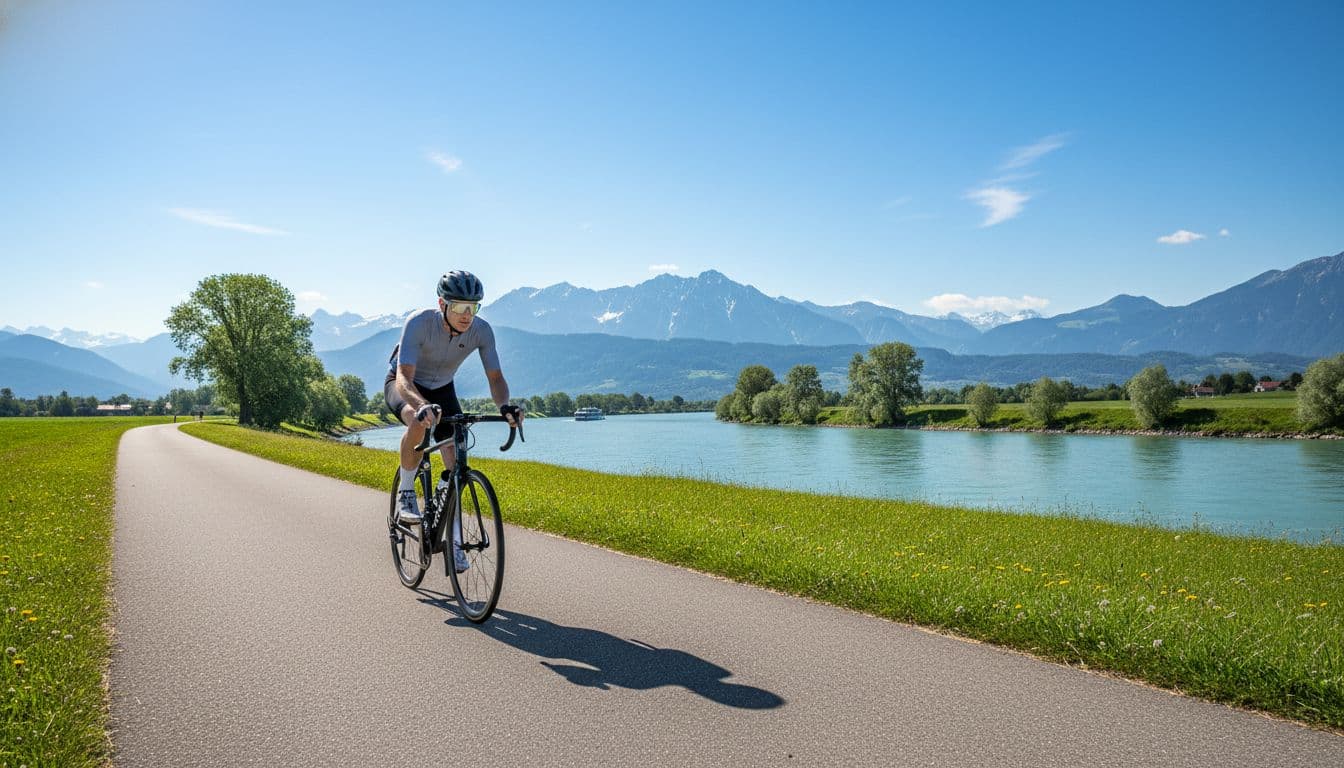
Europe’s traffic-free networks give you calm miles and clear signs. Think the Danube stretch of EuroVelo 6, where riverside pavement guides you town to town with little stress. In 2025, more paths and better facilities make it even safer, with fresh surfaces, bike parking, and charging spots for e-bikes.
Trains turn logistics into a breeze. Start in a major city, ride for days, then hop a regional train to your next trailhead. Many routes offer bike spaces or easy reservations, so you skip the car shuffle and keep rolling. Small group guided tours and rentals fill gaps, while luggage transfer services move your bags from inn to inn. For added flexibility in supported travel, barge tours offer a relaxed way to combine cycling with scenic waterways.
Here is how that helps your day:
- Lighter bikes: Ride with just snacks, layers, and tools. Bags meet you at the next stay.
- Flexible starts and finishes: Train links open up point-to-point routes without worry.
- More time for scenery: Focus on river views, vineyards, and café stops, not traffic.
For riders who want support baked in, browse curated itineraries on Biking Tours in Europe. Bike and Barge tours provide another flexible logistics solution for those seeking a mix of pedaling and floating along Europe’s rivers.
Mix of Landscapes and Cultural Gems
No two days ride the same here. Spin past Baltic dunes and sea pines, then cross to Central Europe for rolling vineyard hills and quiet farm lanes. The Danube serves castles and baroque squares. The Pyrenees deliver big climbs, smooth descents, and high-country villages with hearty plates.
Culture threads every mile:
- Historic towns: Explore the history through cobblestone lanes in medieval centers that make great evening strolls.
- Local food: Savor pierogi on a Baltic coastal day, or fresh apricot cake along the Wachau.
- Living history: Old rail lines like the Parenzana turn tunnels and bridges into playgrounds.
Planning for 2025 is easy, with a wide spread of guided and self-guided choices showcased on top Europe cycling tours for 2025. Pick your terrain, choose your flavor, and ride into a story you will remember.
Top European Bike Routes to Explore in 2025
Pick your style, then ride into scenes that stick. These five routes mix calm bike paths, deep culture, and easy logistics. Each one offers clear wayfinding, friendly towns, and plenty of café stops, so your days stay simple and your memories stay big. For coastal alternatives, Portugal’s scenic paths provide another inviting option.
Danube River Path: Riversides and Historic Towns
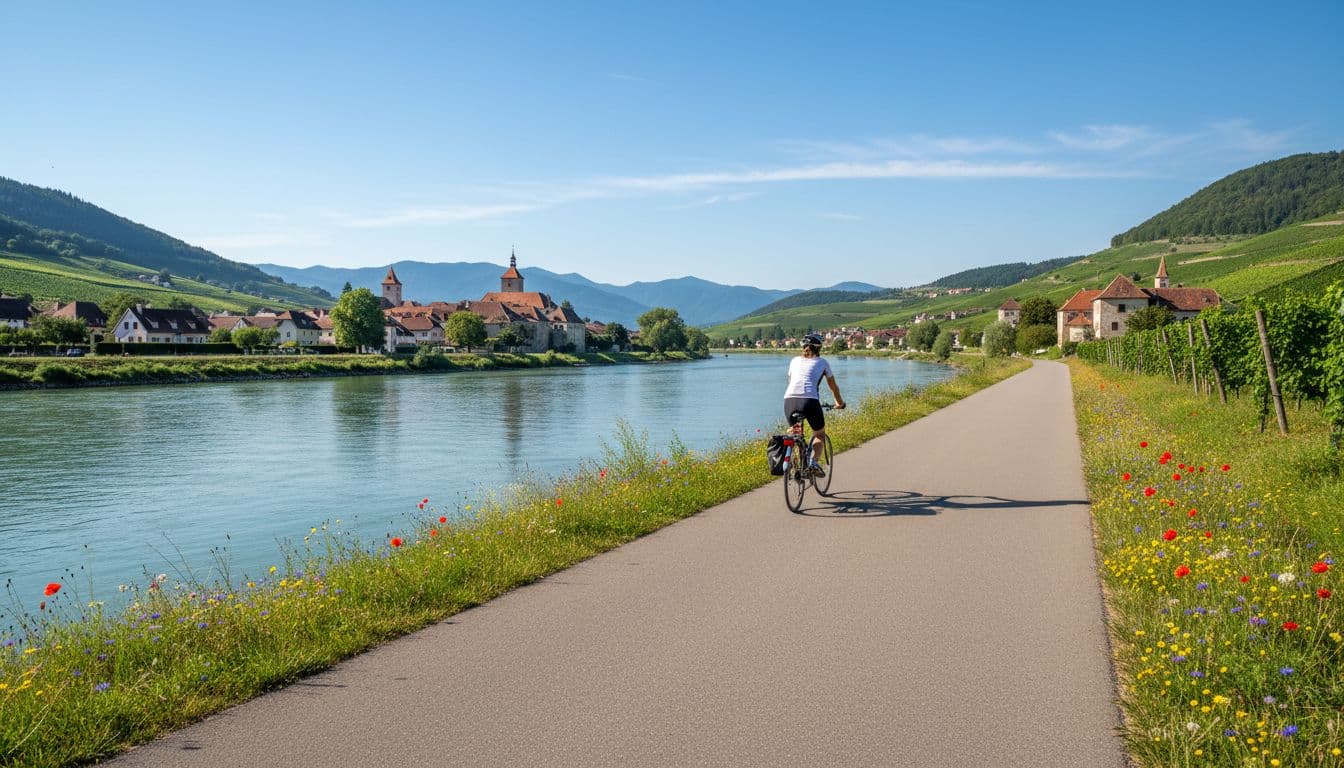 Follow a 371-mile ribbon from the Czech Republic to Hungary over 15 days. The pace lands around 45 km per day, so you linger in vineyard villages and baroque squares without rushing. Flat, family-friendly, and full of river views, it is ideal for first-timers and e-bike riders. Opt for barge tours, a type of river cruise, as a specialized accommodation and travel option to unwind between rides.
- Cycling distances: 371 miles, about 15 days
- Daily distance: ~45 km
- Highlights: Wachau vineyards, castle towns, ferry hops, grand river bends
- Rider level: Beginner to intermediate
- Why it works: Bike and barge tours or self-guided services move your luggage and book stays. Wayfinding is easy along major EuroVelo corridors like those outlined in this guide to the best EuroVelo routes.
Baltics Cycle: Coasts and Forests Await
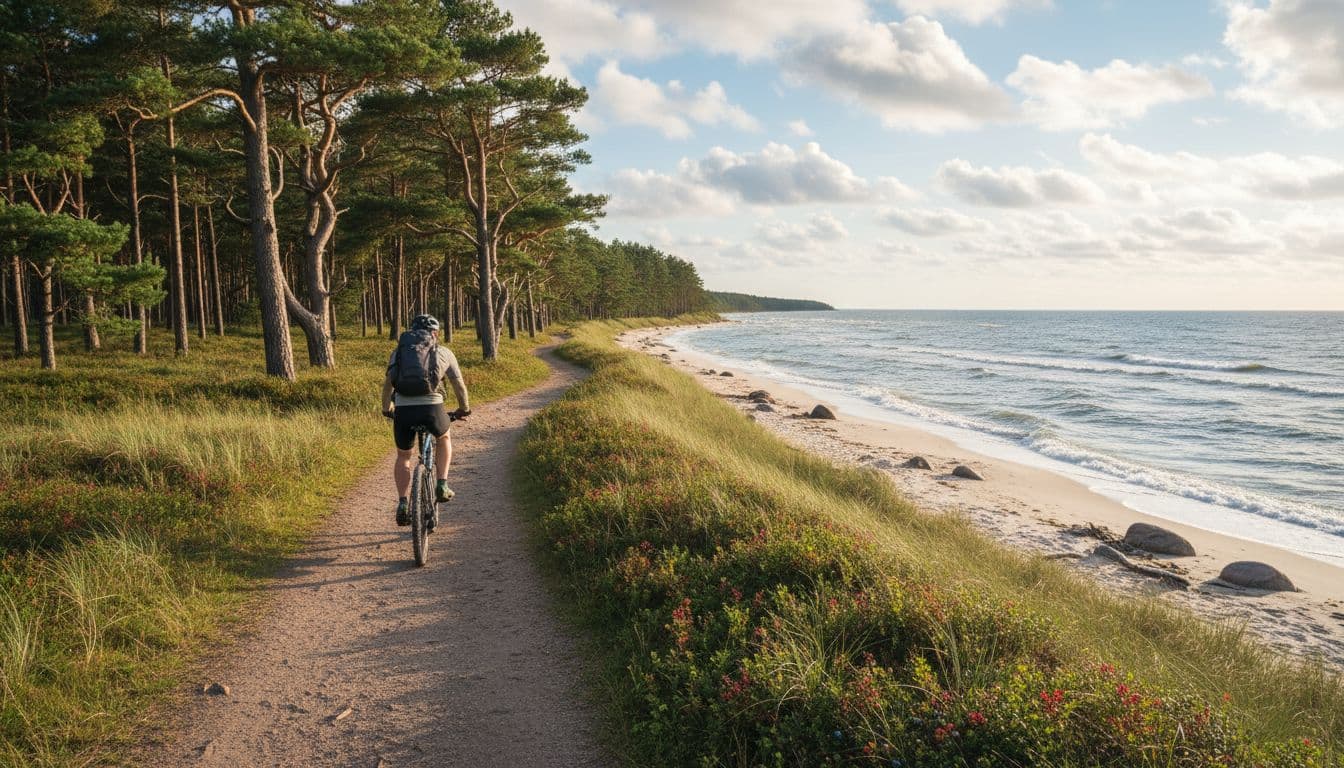 Roll from Estonia to Lithuania with steady 45 km days on coastal lanes and forest tracks. Expect dunes, sea pines, long beaches, wooden boardwalk towns, and stunning coastal views. The mix of Baltic, Nordic, and Central European culture shows up in food, design, and music.
- Length and days: Plan 8 to 12 days, flexible sections
- Daily distance: ~45 km
- Highlights: Sea views, sandy paths, UNESCO old towns, sauna culture
- Rider level: Beginner to intermediate
- Why it works: Tour operators handle bags, ferries, and border details, keeping your rides smooth across changing terrain.
For extra route ideas across the continent, browse this 2025 round-up of top cycling routes in Europe.
Alpe-Adria Route: Mountains Meet the Sea
Start in Salzburg or Villach and cross into Italy on a well-signed path that glides past lakes, alpine valleys, and old rail tunnels. Trains and bike shuttles make climbs manageable, so mixed fitness groups can ride together and still earn those mountain-to-sea views.
- Length and days: 250 to 260 miles, 7 to 9 days
- Terrain: Paved paths, gentle rail grades, rolling hills
- Highlights: Tauern valleys, emerald lakes, gelato stops in Friuli
- Rider level: Intermediate, beginner-friendly with e-bikes
- Why it works: Great access, frequent train links, and reliable surface upgrades. See more in this overview of the Alpe Adria among 2025 favorites.
Parenzana Trail: Tunnels Through Three Countries
Ride 123 km on the old Parenzana railway beginning in Italy through Slovenia to Croatia. Expect vineyards, olive groves, viaducts, and fun tunnels that bring out the kid in every rider. Cafés and agriturismi pop up right when you want a break.

- Length and days: 123 km, 2 to 3 days
- Terrain: Rail-trail gravel and light pavement
- Highlights: Adriatic views, stone villages, heritage tunnels
- Rider level: Beginner to intermediate
- Why it works: Local outfitters can provide bikes, lights, and shuttles. It is a great pick for groups and families who want variety without stress.
Pyrenees and Andorra: Climb for Epic Views
Choose road climbs or gravel loops in the Catalan Pyrenees and Andorra. Tackle legendary passes, then drop into high meadows and quiet valleys. Summer brings long days and clear air, while spring and fall offer cool temps and fewer cars.
- Length and days: 3 to 7 day blocks, modular stages
- Terrain: Paved cols, forest gravel, alpine plateaus
- Highlights: Big climbs, smooth descents, stone villages, hearty mountain food
- Rider level: Intermediate to advanced
- Why it works: You can pick your challenge. Pack layers, plan for fast weather shifts, and mix in lift or van support to keep morale high.
Smart Tips to Plan Your European Bike Tour
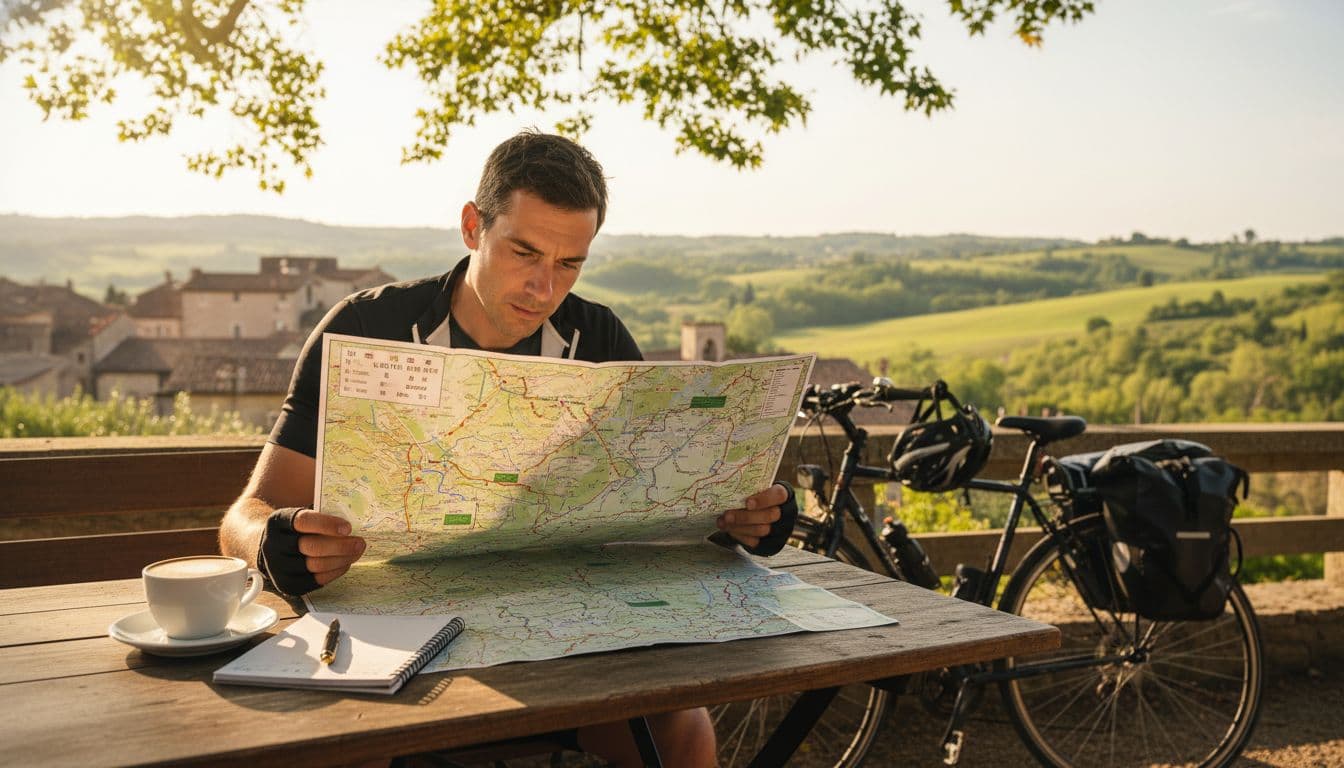 Planning your European Bike Tours well turns a good cycling ride into a great one. Aim for late spring to early fall for long days and stable weather. Decide early if you want full independence, a self-guided package with luggage transfer, or a guided multi-adventure tour with a support van. Set a simple budget framework, then track costs by bucket: Accommodation, Meals, trains and bike fees, route apps, and museums. Book stays that welcome bikes, confirm storage or room access, and ask about e-bike charging if needed.
Match Your Ride to Your Skill Level
To prepare for cycling trip, start with honest fitness. If you ride once a week, pick flat paths and shorter days. If you train often, you can handle hills and longer stages. Use a quick plan:
- Choose terrain by comfort: Flat riverside paths for newer riders, rolling vineyard hills for intermediates, steady alpine grades for climbers.
- Build a base: Do 6 to 8 weeks of progressive rides. One longer ride each weekend, two short spins midweek. Add easy strength work for core and glutes.
- Test the climb: Add local hill repeats or gentle rail-trail gradients to mimic tour days.
- Use fitness checks: Track heart rate and pacing for each day’s ride with Komoot or Ride with GPS. The overview on the best cycling apps for route-planning and navigation helps you pick the right tool.
- Practice logistics: Try a local overnighter or a day of urban bike adventure ideas to rehearse packing, wayfinding, and post-ride recovery.
Tip: If mixed abilities are in your group, consider group size when planning shorter routes with optional climbs, or add e-bikes so everyone finishes with a smile.
Pack Right and Book Smart
Prepare for variable weather conditions, as European weather flips fast, especially near coasts and mountains. Pack light, smart, and repair-ready.
- Layers for changeable days: Merino base, breathable jersey, packable rain shell, wind vest, arm and leg warmers, thin gloves.
- Bike essentials: Two tubes or plugs, mini-pump, multitool with chain breaker, quick links, tire boots, small lube, zip ties.
- Safety and comfort: Bright rear light, sunscreen, chamois cream, electrolyte tabs, compact first aid.
- Route tools: Offline maps on Komoot or Ride with GPS; see this roundup of best navigation apps for bicycle touring.
- Docs and payments: ID, insurance, bank card with no foreign fees, and copies stored digitally.
Book popular routes and train bike spaces early, especially in summer. Some long-distance trains require bike reservations and have limited slots, a point echoed in this practical guide to biking in Europe. If you prefer a lighter load, use operators for rentals, luggage transfer, and emergency support. Confirm hotel bike storage, breakfast times, and late check-in, so mornings stay smooth and your wheels roll on time.
Conclusion
European cycling tours blend motion, history, and culture into lasting memories. From rivers and vineyards to mountain passes and seaside boardwalks, the routes here offer stunning scenic views and fit many styles and schedules, including barge tours. Trains, e-bikes, and clear wayfinding keep the focus on scenery, local food, and easy days of biking on the pedals.
Pick a route that matches your fitness, then set dates and book the key pieces. Keep your kit simple, build a small base, and plan café stops that make each day feel rich. Start with one section if the full tour feels big, then add stages as your confidence grows.
What ride are you planning first, and why does it call to you? Share your stories, tips, and favorite moments, and check our site resources for more route ideas, planning guides, and gear picks. The best rides are the ones you start, so choose your path and roll out.