
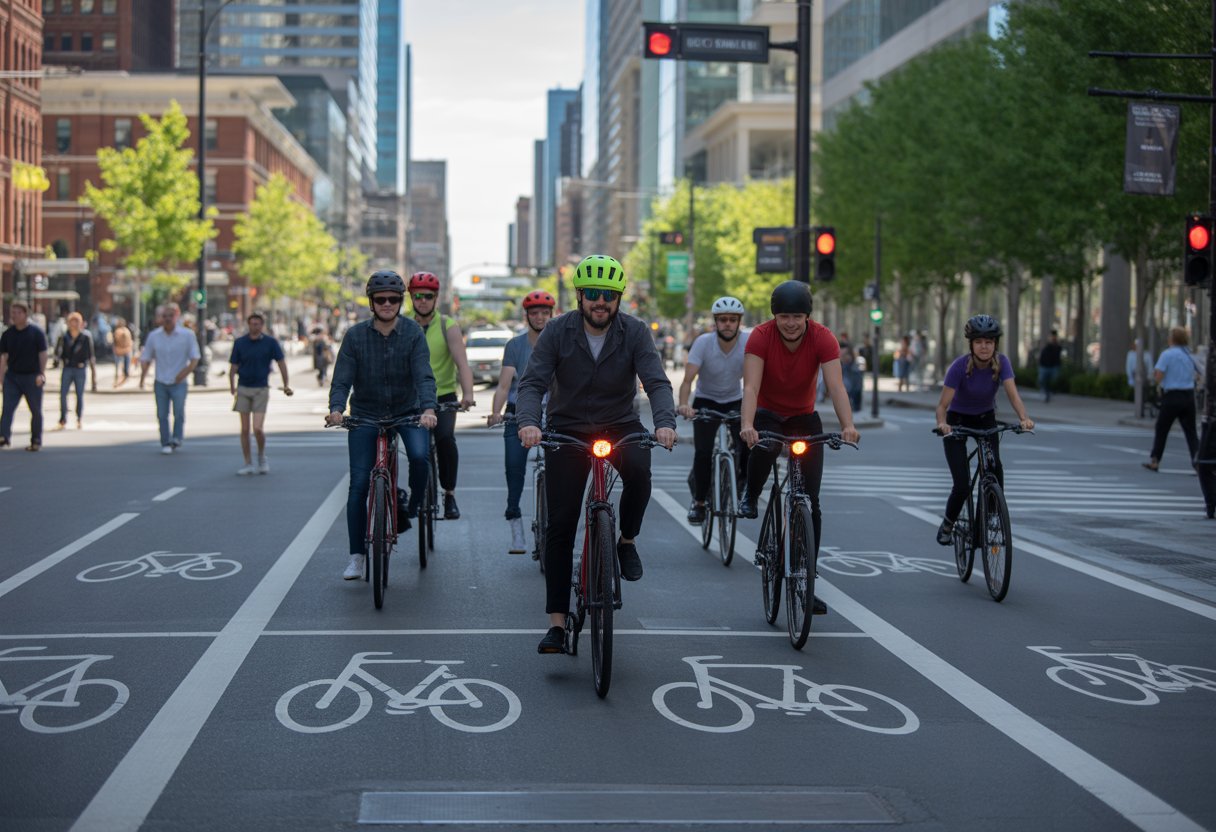

# Night Cycling: Safety and Adventure After Dark
Night cycling opens entirely new dimensions of cycling adventure while requiring specialized knowledge, equipment, and safety protocols that ensure enjoyable and secure experiences during hours when most cyclists hang up their helmets.
## The Magic of After-Dark Cycling
Night cycling reveals familiar routes in completely new ways while providing unique experiences including wildlife encounters, temperature relief during hot climates, and the simple magic of moving through landscapes under starlight or moonlight.
**Sensory Enhancement and Different Perspectives**
Reduced visual input during night cycling enhances other senses, creating more intimate connections with environments through sounds, smells, and tactile sensations often overlooked during daylight riding that engage different aspects of cycling experience.
Urban night cycling reveals city rhythms, architectural lighting, and community activities invisible during daylight hours while providing practical transportation options for shift workers or evening social activities.
**Wildlife and Natural Phenomena**
Many wildlife species are most active during dawn and dusk hours, providing night cyclists with unique viewing opportunities while seasonal phenomena like meteor showers, northern lights, or seasonal moon phases create extraordinary natural experiences.
Rural night cycling away from light pollution reveals star visibility impossible in urban areas while providing perspective on natural cycles and celestial events that reconnect cyclists with natural rhythms often forgotten in modern life.
## Safety Equipment and Protocols
Night cycling requires comprehensive safety equipment and protocols that address visibility, navigation, communication, and emergency preparedness beyond typical daytime cycling requirements.
**Lighting Systems and Visibility**
Effective night cycling lighting includes both active illumination for route navigation and passive visibility for other road users, requiring multiple light sources with backup systems that ensure continued visibility if primary systems fail.
Understanding light technology, battery management, and mounting strategies creates lighting systems that provide adequate illumination while maintaining aerodynamics and handlebar space for other essential equipment.
**Navigation and Route Selection**
Night navigation requires enhanced preparation including route familiarization, backup navigation systems, and understanding how familiar routes change after dark due to lighting conditions, traffic patterns, and business closures.
Route selection considerations include street lighting availability, traffic levels, surface conditions, and emergency access that might differ significantly from daytime conditions while affecting safety and navigation reliability.
**Emergency Preparedness and Communication**
Night cycling emergency preparedness includes enhanced communication capabilities, emergency lighting, and location identification systems that ensure assistance availability when needed most while providing security for solo night riding adventures.
Understanding local emergency services, hospital locations, and safe shelter options provides backup security while building confidence necessary for enjoying night cycling adventures without excessive anxiety about potential problems.
Night cycling provides extraordinary experiences and practical transportation options while requiring specialized equipment and knowledge that ensure safety and maximize enjoyment of after-dark cycling adventures that reveal entirely new aspects of familiar and unfamiliar cycling environments.