

# Capturing Your Cycling Adventures: A Complete Guide to Photo and Video Documentation
Whether you’re embarking on epic mountain trails, exploring quiet country lanes, or navigating urban cycling paths, documenting your cycling adventures creates lasting memories and inspiring content to share with fellow cyclists. This comprehensive guide will help you master the art of cycling photography and videography, from planning your shots to post-production techniques.
## Planning Your Cycling Photo and Video Shoots
Successful cycling documentation begins long before you mount your camera. Understanding your route, lighting conditions, and story objectives will dramatically improve your results.
**Route Reconnaissance and Shot Planning**
Scout your intended route in advance, either through maps, online resources, or preliminary rides. Identify scenic viewpoints, interesting architectural features, challenging terrain sections, and potential rest stops that could serve as compelling backdrops. Consider the natural lighting throughout your planned ride time – golden hour lighting (the first hour after sunrise and last hour before sunset) provides the most flattering illumination for both cyclists and landscapes.
**Weather Considerations and Backup Plans**
Weather significantly impacts both your safety and image quality. Overcast conditions create even, soft lighting that’s excellent for portraits and detail shots, while dramatic storm clouds can add mood and excitement to landscape shots. Always have weather-appropriate protection for your equipment and consider how different conditions might affect your planned shots.

## Essential Equipment for Cycling Photography and Videography
The right equipment balances image quality, portability, and durability while withstanding the demands of cycling environments.
**Camera Options: From Smartphones to Professional DSLRs**
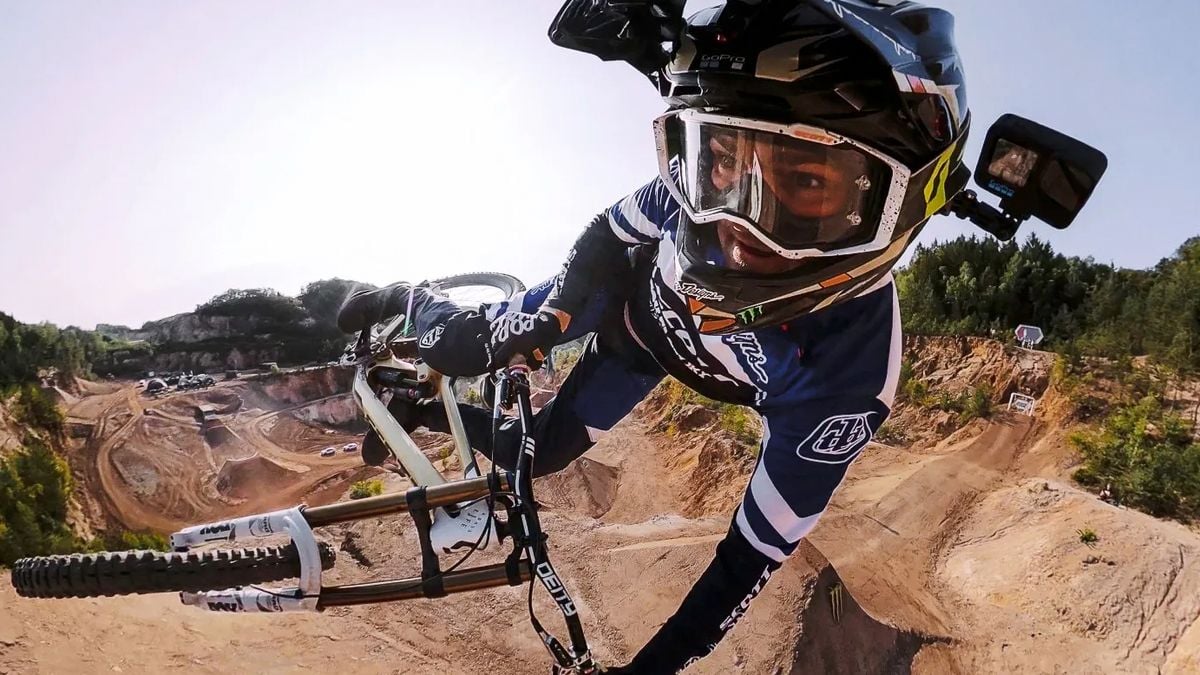
Modern smartphones offer excellent image quality and convenience, making them ideal for casual documentation and social media content. Action cameras like GoPros excel in harsh conditions and provide unique perspectives when mounted on bikes, helmets, or handlebars. For serious photography, mirrorless cameras offer professional image quality in compact, lightweight packages that work well for cycling adventures.
**Mounting Solutions and Stabilization**
Secure mounting systems are crucial for both safety and image quality. Handlebar mounts work well for landscape shots and time-lapse sequences, while helmet mounts capture the rider’s perspective. Chest mounts provide stable footage that includes the bicycle and rider’s hands. Always test mounts thoroughly before rides and carry backup mounting hardware.
**Power Management and Storage Solutions**
Extended rides demand careful power and storage planning. Portable battery packs, solar chargers, and multiple memory cards ensure you won’t miss crucial shots due to technical limitations. Consider the capacity needs based on your planned shooting – 4K video consumes significantly more storage than standard photography.
## Composition Techniques for Dynamic Cycling Photos
Strong composition transforms ordinary cycling moments into compelling visual stories that engage viewers and convey the excitement of your adventures.
**Rule of Thirds and Leading Lines**
Apply the rule of thirds by positioning cyclists, horizon lines, and key elements along the imaginary grid lines that divide your frame into nine equal sections. Roads, trails, fence lines, and natural features create leading lines that draw viewers’ eyes toward your main subject and add depth to compositions.
**Perspective and Angle Variations**
Experiment with different shooting angles to create visual interest and variety in your documentation. Low angles make cyclists appear more dramatic and powerful, while elevated positions showcase the broader landscape context. Side angles capture the dynamic motion of cycling, while head-on shots create intimate, engaging portraits.
**Capturing Motion and Energy**
Convey the dynamic nature of cycling through techniques like panning (following the cyclist with your camera while using slower shutter speeds), which creates sharp subjects against blurred backgrounds that suggest speed and movement. Burst mode helps capture peak action moments, while timing shots at moments of maximum effort or scenic beauty enhances emotional impact.

## Video Techniques for Engaging Cycling Content
Video documentation adds movement, sound, and temporal storytelling elements that still photography cannot capture, creating immersive experiences for viewers.

**Camera Movement and Stabilization**
Smooth camera movements are essential for professional-looking cycling videos. Gimbal stabilizers eliminate the jarring effects of road vibrations and sudden movements. When shooting handheld, use proper body positioning and breathing techniques to minimize camera shake. Plan camera movements to complement the action – following shots work well for showing cycling technique, while stationary shots effectively capture cyclists moving through scenic landscapes.
**Audio Considerations and Wind Noise Management**
Audio quality significantly impacts viewer engagement with your cycling videos. Wind noise is the primary challenge in cycling videography. External microphones with windscreens, strategic positioning, and post-production audio enhancement can dramatically improve sound quality. Consider recording separate audio tracks for narration in controlled environments, then syncing with action footage during editing.
**B-Roll and Establishing Shots**
B-roll footage (supplementary shots that support your main narrative) adds professional polish and storytelling depth. Capture detail shots of bike components, landscape establishing shots, rider preparation sequences, and environmental elements like weather conditions or local wildlife. These shots provide editing flexibility and help create comprehensive visual stories.
## Post-Production and Editing Workflows
Effective post-production transforms raw footage and images into polished, engaging content that tells compelling stories about your cycling adventures.
**Photo Editing Essentials**
Basic photo editing enhances your images without creating unrealistic results. Adjust exposure, contrast, and saturation to optimize visual impact while maintaining natural appearance. Crop images for improved composition and remove distracting elements when appropriate. Develop a consistent editing style that reflects your personal aesthetic and creates cohesive visual narratives across your cycling documentation.
**Video Editing Software and Techniques**
Choose video editing software appropriate to your skill level and output requirements. Basic programs like iMovie or Windows Movie Maker handle simple projects, while professional software like Adobe Premiere Pro or Final Cut Pro offers advanced features for complex productions. Learn fundamental editing techniques including cutting, color correction, audio synchronization, and transition effects.
**Color Grading and Visual Consistency**
Color grading unifies the visual appearance of your footage and creates specific moods or atmospheres. Develop color palettes that complement your cycling content – earth tones for natural trail riding, vibrant colors for urban cycling, or desaturated looks for dramatic weather conditions. Consistent color treatment across your content creates professional, recognizable visual branding.
## Sharing and Building Your Cycling Community
Strategic sharing and community engagement transform your cycling documentation from personal memories into valuable resources that inspire and connect fellow cyclists.
**Platform-Specific Optimization**
Different social media platforms require specific content optimization strategies. Instagram favors square or vertical image formats and hashtag strategies, while YouTube prioritizes longer-form video content with detailed descriptions and custom thumbnails. Understand each platform’s algorithm preferences and user expectations to maximize your content’s reach and engagement.
**Storytelling and Narrative Development**
Effective cycling content tells stories that resonate with viewers beyond just showcasing scenic locations or impressive achievements. Share the challenges, discoveries, and personal growth experiences that occur during your rides. Include practical information like route details, difficulty assessments, and equipment recommendations that provide value to your audience.
**Community Engagement and Collaboration**
Active engagement with cycling communities amplifies your content’s impact and builds lasting connections with fellow enthusiasts. Respond thoughtfully to comments, share other cyclists’ content, and participate in cycling-related discussions. Collaborate with local cycling groups, bike shops, and other content creators to expand your reach and create more diverse, interesting content.
## Safety Considerations for Cycling Documentation
Prioritizing safety ensures that your documentation efforts don’t compromise your well-being or that of other road users and trail participants.
**Traffic Awareness and Road Safety**
Never allow photography or videography activities to distract from traffic awareness and safe cycling practices. Use voice-activated controls, remote triggers, or planned stops for camera adjustments rather than manipulating equipment while actively cycling. When shooting in traffic, maintain proper road positioning and follow all traffic laws strictly.
**Equipment Security and Theft Prevention**
Expensive camera equipment attracts theft, particularly in urban environments or popular tourist destinations. Use inconspicuous carrying cases, avoid leaving equipment unattended, and consider insurance coverage for valuable gear. Develop discrete mounting and storage strategies that don’t advertise your equipment to potential thieves.
**Weather Protection and Emergency Preparedness**
Protect both yourself and your equipment from adverse weather conditions. Waterproof cases, lens cloths, and backup equipment ensure you can continue documenting even in challenging conditions. Always prioritize personal safety over capturing dramatic footage – no shot is worth risking injury or getting stranded in dangerous conditions.
**Privacy and Ethical Considerations**
Respect the privacy of other cyclists, pedestrians, and property owners when documenting your rides. Avoid filming or photographing people without consent, particularly in areas where privacy expectations are high. Be mindful of private property boundaries and local regulations regarding photography and videography in certain areas.
By following these comprehensive guidelines, you’ll develop the skills and knowledge necessary to create compelling, professional-quality documentation of your cycling adventures. Remember that the best cycling photography and videography comes from combining technical proficiency with genuine passion for cycling and storytelling. Start with basic techniques and equipment, then gradually expand your capabilities as your skills and interests develop.
The most important aspect of cycling documentation is maintaining the joy and spontaneity of your rides while creating visual memories that will inspire you and others for years to come. Whether you’re sharing epic mountain adventures or simple neighborhood rides, thoughtful documentation helps build the cycling community and encourages others to explore the world on two wheels.