


# Cultural Cycling Tours in Europe: A Journey Through Time and Tradition
Europe offers unparalleled opportunities for cultural cycling adventures that combine active exploration with deep historical immersion, allowing travelers to experience centuries of art, architecture, and tradition at the perfect pace for discovery and appreciation. From medieval castles to Renaissance masterpieces, from ancient Roman roads to modern cultural festivals, cycling provides an intimate and sustainable way to connect with Europe’s rich cultural heritage.
## The Appeal of Cultural Cycling in Europe
Cultural cycling tours offer unique advantages over traditional tourism, providing intimate access to historical sites, cultural landmarks, and local communities while maintaining the flexibility to explore at your own pace and follow spontaneous discoveries.
**Sustainable Tourism and Cultural Connection**
Cycling represents one of the most environmentally sustainable forms of tourism, aligning with growing awareness of travel’s environmental impact while supporting local economies through small-scale, community-based tourism initiatives. This approach often provides more authentic cultural experiences than mass tourism alternatives.
The slower pace of cycling allows deeper engagement with cultural sites, providing time for contemplation, photography, and meaningful interaction with local people and traditions. Unlike bus tours or car travel, cycling creates natural opportunities for spontaneous cultural discoveries and personal connections.
**Historical Context and Landscape Integration**
European landscapes tell stories of human civilization spanning millennia, from ancient trade routes to medieval pilgrimage paths to modern cultural movements. Cycling these routes provides visceral understanding of historical geography, allowing travelers to experience the distances, terrain challenges, and scenic contexts that shaped historical events and cultural development.
Understanding how geography influenced cultural development – why certain cities flourished, how trade routes shaped architectural styles, or how agricultural patterns influenced local traditions – becomes immediate and tangible when experienced through cycling exploration.
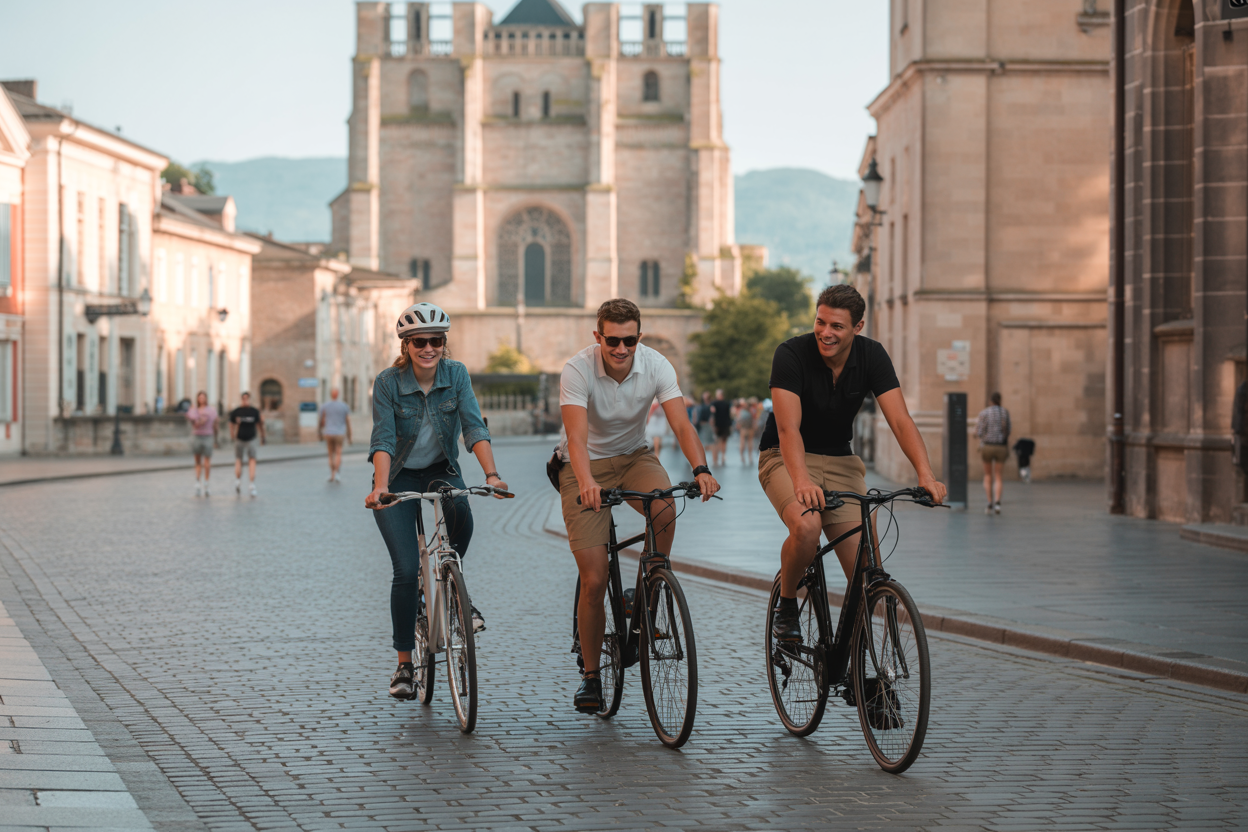
## Planning Your European Cultural Cycling Adventure
Successful cultural cycling tours require comprehensive planning that balances historical site visits with practical logistics, seasonal considerations, and personal interests while maintaining flexibility for spontaneous discoveries.
**Route Selection and Cultural Themes**
Choose routes that align with your cultural interests and historical periods of particular fascination. Renaissance art enthusiasts might focus on Italy’s Tuscan hill towns, while medieval history buffs could explore France’s Loire Valley castles or Germany’s Romantic Road.
Consider thematic approaches that provide coherent narratives throughout your journey: following ancient Roman roads, tracing pilgrimage routes, exploring UNESCO World Heritage sites, or investigating specific architectural movements across different regions.
**Seasonal Considerations and Cultural Events**
European cultural sites often have seasonal accessibility variations, with some castles, museums, or archaeological sites operating limited schedules during winter months. Spring and fall generally provide optimal weather conditions while avoiding peak summer crowds that can diminish cultural site experiences.
Research local festivals, cultural events, and seasonal celebrations that could enhance your cycling adventure. Medieval festivals, harvest celebrations, religious observances, and cultural performances provide opportunities to experience living traditions alongside historical sites.
**Accommodation Strategies for Cultural Immersion**
Choose accommodations that enhance cultural experiences rather than simply providing lodging. Historic hotels, converted monasteries, traditional guesthouses, and family-run establishments often provide cultural insights and authentic local experiences unavailable through chain hotels.
Consider locations that allow evening exploration of cultural sites, attendance at local performances, or participation in community events. Central accommodations in historic town centers often provide walking access to cultural attractions while supporting local businesses.
## Essential European Cultural Cycling Routes
Europe offers numerous established cultural cycling routes that combine outstanding cycling infrastructure with concentrated cultural attractions, providing excellent frameworks for cultural exploration adventures.
**The Danube Cycle Path: From Germany to Hungary**
The Danube Cycle Path follows one of Europe’s most historically significant rivers through eight countries, passing medieval cities, baroque monasteries, Roman ruins, and imperial palaces. This route provides exceptional cultural diversity while maintaining excellent cycling infrastructure and accommodation options.

Highlights include Regensburg’s medieval architecture, Austria’s Wachau Valley vineyards and monasteries, Vienna’s imperial grandeur, and Budapest’s thermal baths and Gothic Revival architecture. The route’s flat terrain and well-developed infrastructure make it accessible to cyclists of various skill levels.
**Loire Valley Châteaux Route: Renaissance Splendor**
France’s Loire Valley offers concentrated Renaissance architecture within a relatively compact area, featuring over 300 châteaux set in landscapes that inspired centuries of artists and writers. The flat terrain and comprehensive cycling infrastructure make this region ideal for cultural cycling exploration.
Notable châteaux include Chambord’s architectural fantasies, Chenonceau’s graceful river setting, Amboise’s royal associations, and Villandry’s spectacular gardens. The region’s wine culture, culinary traditions, and artisanal crafts provide additional cultural dimensions beyond architectural marvels.
**Tuscany’s Hill Towns: Medieval and Renaissance Art**
Tuscany’s rolling hills connect medieval hill towns, Renaissance cities, and agricultural landscapes that have inspired artists for centuries. While more challenging than flat river routes, Tuscany’s cultural density and scenic beauty create unforgettable cycling experiences.
Explore Siena’s Gothic architecture, San Gimignano’s medieval towers, Volterra’s Etruscan heritage, and numerous smaller towns that preserve authentic medieval and Renaissance atmospheres. The region’s wine culture, olive oil traditions, and culinary heritage provide comprehensive cultural immersion.

## Cultural Site Visitation Strategies
Maximizing cultural experiences while maintaining cycling schedules requires strategic approaches to site visitation that balance thorough exploration with practical time management and energy conservation.
**Prioritization and Time Management**
Research cultural sites thoroughly before arrival to identify must-see attractions, optional visits, and backup alternatives for weather or schedule disruptions. Understanding site significance, visiting requirements, and time commitments helps create realistic daily schedules that avoid rushed experiences.
Consider purchasing multi-site passes, making advance reservations for popular attractions, and understanding peak visiting hours that might affect your cycling schedule. Some sites offer special early morning or evening access that provides better experiences while avoiding crowds.
**Audio Guides and Educational Resources**
Modern technology provides excellent educational resources that enhance cultural site understanding without requiring expensive guided tours. Smartphone apps, downloadable audio guides, and digital museum resources offer detailed historical context and artistic interpretation.
Prepare background knowledge through reading, documentaries, or online courses before your cycling adventure. Understanding historical contexts, artistic movements, and cultural significance enhances on-site experiences while providing frameworks for connecting different cultural sites throughout your journey.
**Photography and Documentation Strategies**
Document your cultural discoveries through photography, journaling, or video creation that captures both the sites themselves and your personal reactions and insights. This documentation creates lasting memories while providing material for sharing experiences with others.
Respect photography restrictions at cultural sites while finding creative ways to capture the essence and atmosphere of your experiences. Sometimes the journey between sites, local interactions, or unexpected discoveries provide the most meaningful documentation opportunities.
## Local Culture and Community Engagement
Cultural cycling tours provide exceptional opportunities for authentic local interactions and community engagement that reveal living culture alongside historical sites and monuments.
**Language Preparation and Communication**
Basic language skills significantly enhance cultural experiences by enabling meaningful interactions with local people, understanding cultural nuances, and accessing information not available in English. Even simple greetings, courtesies, and basic cycling-related vocabulary improve cultural connections.
Use translation apps and language learning tools to prepare for cultural interactions while maintaining openness to non-verbal communication, universal hospitality, and shared interests in cycling that transcend language barriers.
**Culinary Exploration and Food Culture**
Regional cuisines reflect centuries of cultural development, agricultural traditions, and historical influences that provide tangible connections to local culture. Cycling between meals allows indulgence in local specialties while maintaining fitness and appetite for culinary exploration.
Research local food markets, traditional restaurants, seasonal specialties, and food festivals that coincide with your cycling adventure. Shopping at local markets, participating in cooking classes, or joining food tours provides cultural insights beyond museum visits and architectural appreciation.
**Traditional Crafts and Artisan Connections**
Many European regions maintain traditional craft industries that provide living connections to historical skills and cultural practices. Pottery, weaving, woodworking, metalsmithing, and other crafts often welcome visitors and provide opportunities to understand cultural continuity and adaptation.
Seek out artisan workshops, craft markets, and traditional skill demonstrations that reveal how historical techniques adapt to contemporary needs while preserving cultural knowledge and community identity.
## Practical Considerations for Cultural Cycling
Successfully combining cycling with intensive cultural exploration requires careful attention to logistics, equipment needs, and energy management that support both physical activity and intellectual engagement.
**Equipment Considerations for Cultural Tourism**
Cultural site visitation often requires different equipment than pure cycling adventures. Comfortable walking shoes, weather-appropriate clothing for indoor sites, secure storage for cameras and valuables, and perhaps dressier clothing for evening cultural events should be considered in packing decisions.
Balance cycling efficiency with cultural site requirements through strategic packing choices and possibly using accommodation as gear staging areas for different daily activities. Some items like detailed guidebooks might be accessed digitally to reduce weight while maintaining information access.
**Physical Energy Management**
Intensive cultural site visitation can be surprisingly tiring, requiring energy management strategies that balance cycling exertion with walking, standing, and mental engagement demands of cultural exploration. Plan rest periods and avoid overcommitting to activities that could diminish enjoyment of either cycling or cultural experiences.
Consider alternating intensive cultural days with lighter sightseeing or pure cycling days that allow physical and mental recovery while maintaining adventure momentum and cultural exploration goals.
**Weather Contingency Planning**
European weather can significantly affect both cycling comfort and cultural site accessibility. Indoor cultural sites provide excellent alternatives during poor weather, while good weather might favor outdoor archaeological sites, gardens, or architectural photography over museum visits.
Develop flexible itineraries that can adapt to weather conditions while maintaining core cultural objectives and cycling goals. Understanding seasonal weather patterns and having backup indoor cultural activities ensures productive and enjoyable experiences regardless of conditions.
Cultural cycling tours in Europe offer unparalleled opportunities to combine active adventure with deep cultural immersion, creating travel experiences that engage both body and mind while supporting sustainable tourism practices and authentic local connections. Through careful planning that balances cycling logistics with cultural objectives, travelers can create transformative adventures that provide lasting understanding and appreciation of Europe’s extraordinary cultural heritage.
The key to successful cultural cycling lies in maintaining curiosity and openness to discovery while respecting local cultures and traditions, understanding that the greatest cultural treasures often emerge from unexpected encounters and spontaneous explorations that occur naturally during thoughtful, well-planned cycling adventures.