
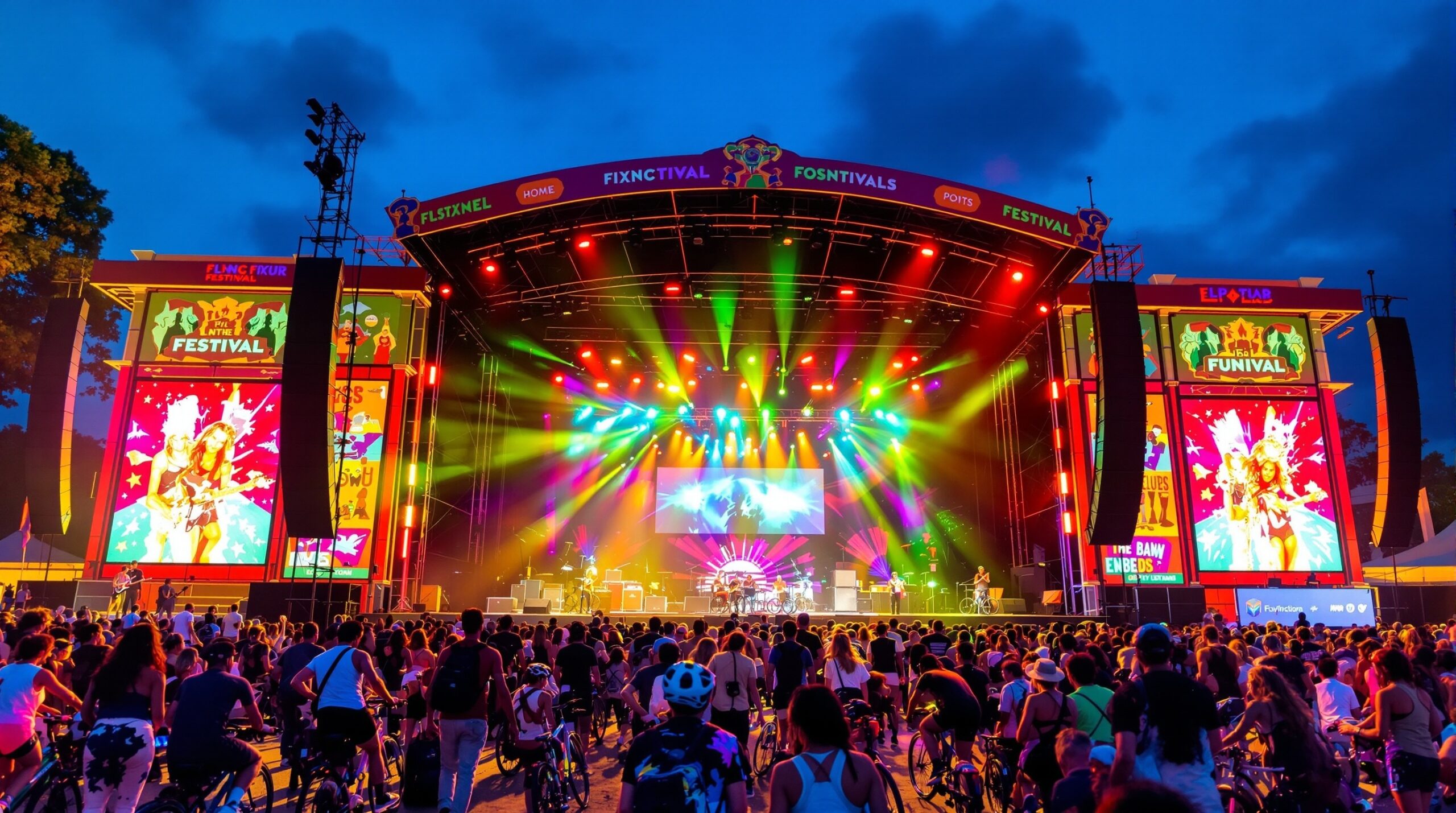

The combination of cycling and music festivals creates an unbeatable adventure that transforms your entire festival experience. Instead of sitting in traffic jams or paying exorbitant parking fees, you arrive energized, connected to the landscape, and ready to dive into the music. This approach to festival attendance is growing rapidly as more people discover the benefits of pedal-powered adventures.
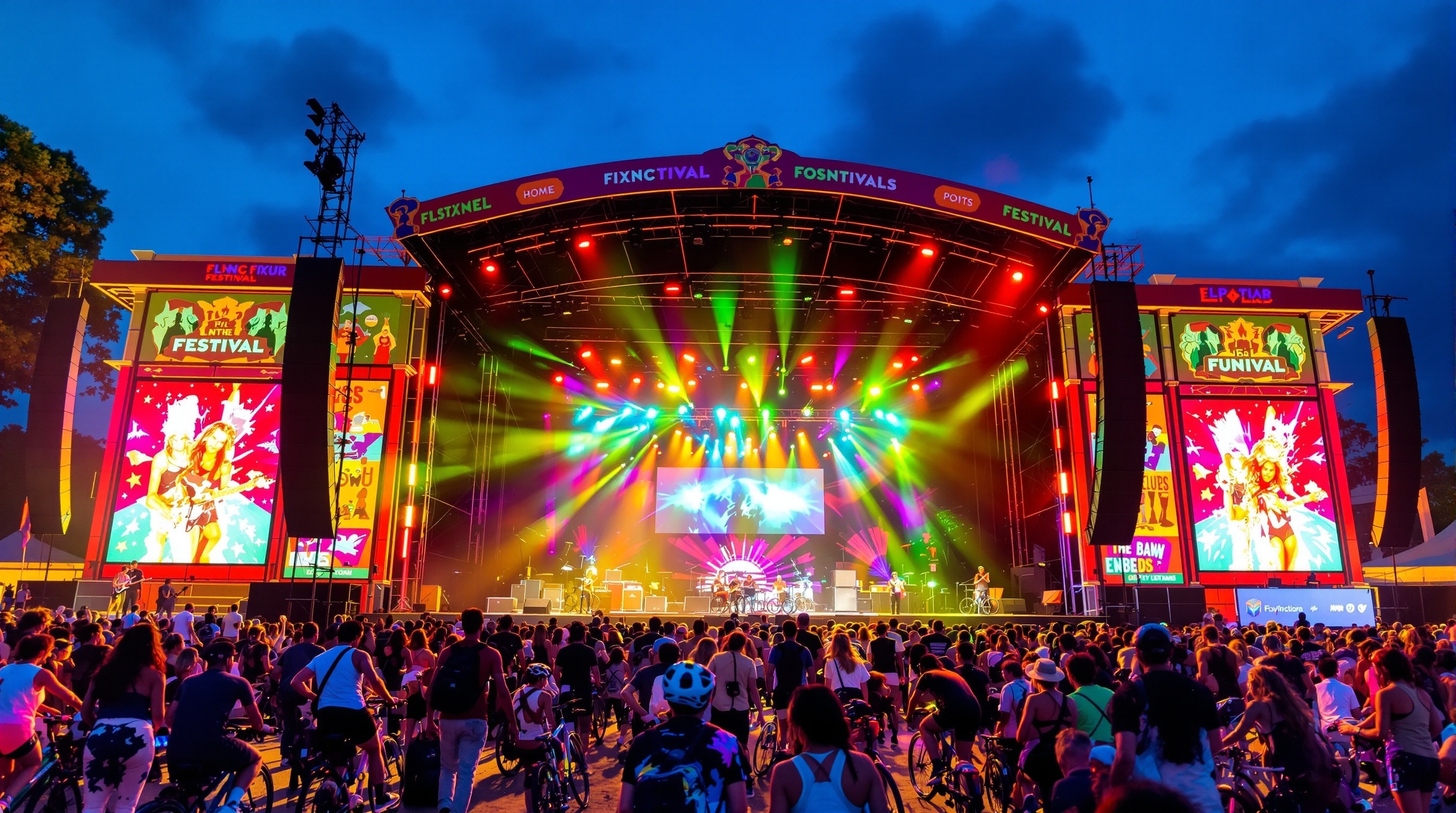
Cycling to festivals offers unique advantages beyond simple transportation. The journey becomes part of the experience, creating memories that last long after the final encore. You connect with like-minded festival-goers along cycling routes, often forming friendships that enhance your entire weekend.
Planning Your Festival Cycling Adventure
The key to successful festival cycling lies in thorough preparation that considers both your cycling capabilities and festival logistics. Start planning weeks in advance, researching routes, accommodation options, and gear requirements. Different festivals present unique challenges based on location, duration, and your camping versus hotel preferences.
Research the festival location thoroughly, including local cycling infrastructure, bike-friendly accommodations, and secure storage options. Some festivals offer dedicated bike camping areas with enhanced security, while others provide day-use bike parking that requires different planning strategies.
Consider the timing of your arrival carefully. Arriving too early might mean waiting around with limited facilities, while arriving too late could result in crowded conditions and less desirable camping spots. Many experienced festival cyclists arrive Thursday evening for weekend festivals, allowing time to set up before crowds intensify.
Route Selection and Distance Considerations
Choose routes that balance scenic enjoyment with practical arrival needs. Festival routes require different considerations than typical cycling adventures. Popular festivals create temporary traffic pattern changes, road closures, and increased vehicle congestion on approaches.
Study elevation profiles carefully when planning festival routes. Arriving exhausted from difficult climbs diminishes your festival enjoyment, while overly easy routes might not provide the adventure satisfaction you seek. Balance challenge with practical considerations about arriving in good condition.
Essential Gear for Festival Cycling
Packing for a cycling festival adventure requires balancing comfort with weight restrictions. Your bike becomes your pack mule, but overloading affects handling and increases fatigue. Focus on multi-purpose items and leave luxury items at home unless they serve multiple functions.

Invest in quality panniers or bikepacking bags designed for your specific bike type. Waterproof storage is crucial since weather can change quickly, and you need to protect electronics, clothing, and camping gear. Distribute weight evenly between front and rear storage to maintain bike stability.
Security gear becomes critically important at festivals where bike theft unfortunately occurs. Heavy-duty locks, cable extensions, and removable components help protect your investment. Some cyclists remove wheels and seats when leaving bikes for extended periods, though this requires planning for storage space.
Festival-Specific Equipment
Pack festival essentials that enhance your experience while remaining practical for bike transport. Lightweight camping chairs, portable phone chargers, and compact coolers designed for cycling make festival life more comfortable without excessive weight penalties.
Consider bringing bike maintenance supplies for multi-day festivals. Basic repair kits, tire pumps, and chain lubricant can save your festival if mechanical issues arise. Many festivals have limited bike repair services, making self-sufficiency valuable.
Festival Arrival and Setup Procedures
Your arrival strategy significantly impacts your entire festival experience. Scope out bike parking areas immediately upon arrival, noting security features, proximity to camping areas, and access for loading and unloading gear. The best spots fill quickly, so arrival timing matters.
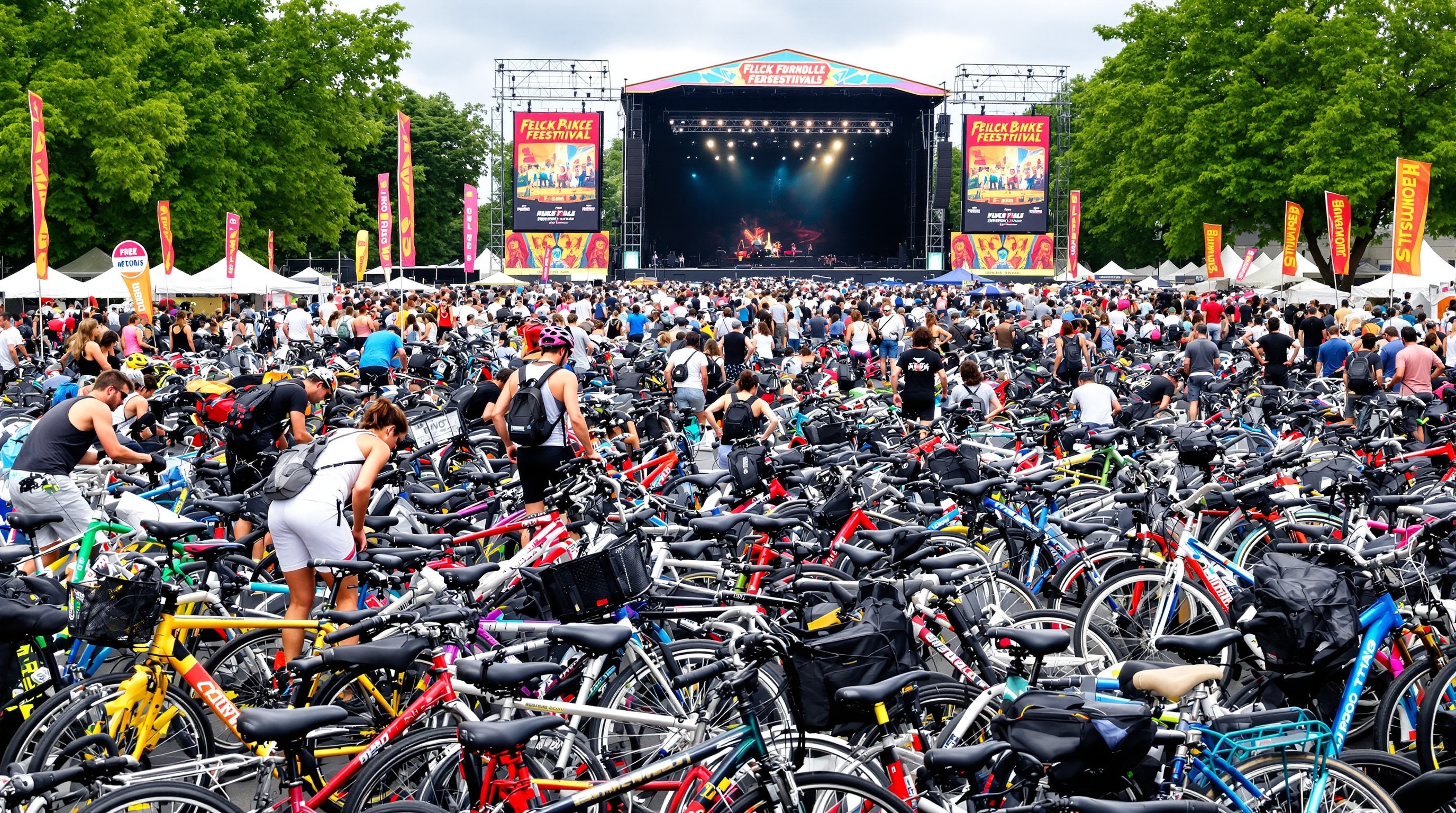
Many festivals provide bike valet services or secure parking for small fees that are worthwhile investments. These services often include basic maintenance, inflation stations, and enhanced security monitoring. Research these options in advance and bring cash since many festival services don’t accept cards.
Establish your basecamp methodically, considering bike security, tent placement, and access to festival amenities. Position your bike where you can monitor it from your camping area when possible, and always lock it even in seemingly secure environments.
Managing Gear During the Festival
Living out of panniers for several days requires organization and planning. Pack clothes in compression sacks or packing cubes that fit your storage system. Keep frequently needed items easily accessible while securing valuables in hard-to-reach locations.
Develop systems for managing dirty laundry, wet gear, and daily necessities. Many cyclists pack mesh bags for separating clean and dirty items, while others bring extra plastic bags for wet weather gear. Small organizational systems prevent frustration when you need specific items quickly.

Festival Day Strategies
Consider what gear you need during festival hours versus what stays at your campsite. Many festivals allow small backpacks, so you can carry essentials while leaving cycling-specific gear secured with your bike or at your tent.
Plan your daily schedule around bike security needs. Some cyclists prefer to secure their bikes completely each morning and rely on walking within the festival grounds, while others use their bikes for quick trips between stages and camping areas.
Health and Safety Considerations
Festival cycling demands attention to both cycling safety and festival-specific health concerns. Extended riding followed by days of walking, dancing, and irregular sleep patterns creates unique physical challenges. Prepare your body gradually with training rides that simulate festival conditions.
Stay hydrated throughout your journey and festival attendance. Cycling increases fluid needs, while festival environments often involve sun exposure, alcohol consumption, and irregular eating patterns. Bring electrolyte supplements and monitor your hydration status carefully.
Plan for medical contingencies including basic first aid supplies, any prescription medications, and knowledge of local medical facilities. Some festivals provide excellent medical services, while others have limited capabilities.
Post-Festival Departure Strategies
Leaving festivals requires as much planning as arriving, often with additional challenges from fatigue, weather changes, or gear accumulation. Pack methodically, checking that all belongings are secured and weight is properly distributed before beginning your return journey.
Many cyclists prefer early morning departures to avoid traffic and take advantage of cooler temperatures. However, this requires discipline after late festival nights. Alternative strategies include staying an extra night locally to recover before tackling longer return journeys.
Plan for different weather conditions on your return trip. Festival weekends can experience significant weather changes, and clothing that worked for arrival might be inadequate for departure conditions.
Cycling to music festivals transforms both the journey and destination into integrated adventures that create lasting memories. The physical challenge, environmental connection, and unique social aspects combine to enhance your entire festival experience. Start with shorter distances and familiar festivals to develop your systems, then expand to more ambitious combinations as your confidence grows.